


The Distinguished Professorship is conferred upon individuals who have achieved national or international prominence and a distinguished reputation within a chosen field.
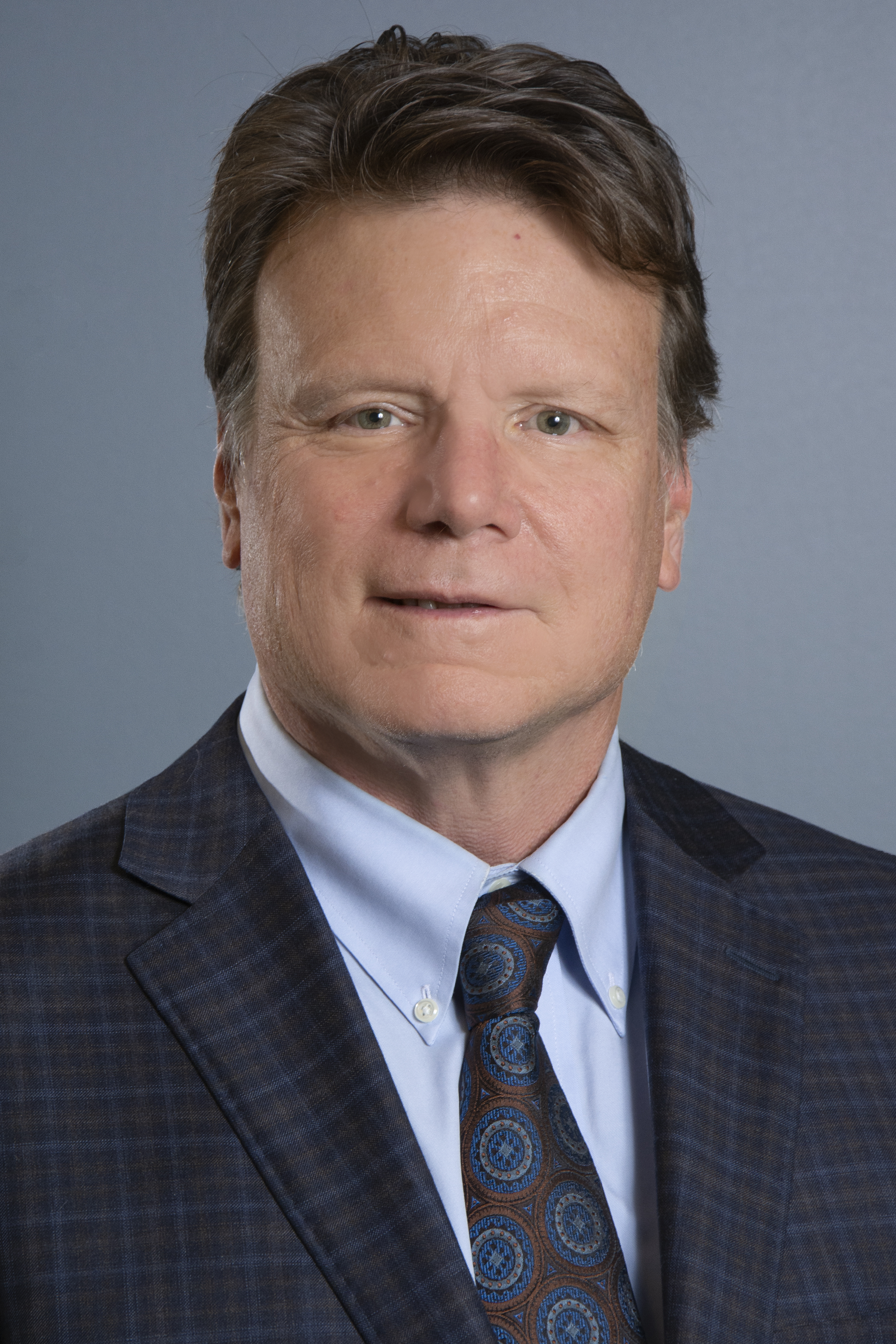
Dr. Ralph Benedict holds the rank of SUNY Distinguished Professor of Neurology, with volunteer appointments in Psychiatry, Psychology and Counseling and Educational Psychology. Throughout his career he has maintained and active clinical appointment at the University Neurology Inc and UBMD practices.
Dr. Benedict directs the Neuropsychology Service at UBMD Neurology on the Buffalo Niagara Medical campus. He also provide an inpatient consultation service at the Erie County Medical Center. Chief among his specific clinical activities are the neuropsychological services for patients at the Jacobs Multiple Sclerosis Center and the UB Alzheimer’s Disease and Memory Disorders Center.
Dr. Benedict has published >360 peer-reviewed papers with 40,000 citations. His h-index is 95. One research mission is to employ behavioral psychometrics to understand how cerebral disease affects personality, cognition, and psychiatric stability. Two memory tests he developed, the Brief Visuospatial Memory Test Revised (BVMTR) and the Hopkins Verbal Learning Test Revised (HVLTR), are widely used in neuropsychology, especially in the areas of multiple sclerosis, head injury, and schizophrenia, and they are included in consensus panel test batteries for athlete concussions in the NHL and NFL. He has developed other tests such at the Multiple Sclerosis Neuropsychological Screening Questionnaire.
Dr. Benedict also focuses on the disease multiple sclerosis (MS) and has conducted several studies on pharmacological and behavioral treatments for cognitive function in MS patients. He was a major contributor to the idea that gray matter atrophy is the primary driver of cognitive impairment in MS, and in particular, deep gray matter atrophy. Other research contributions in MS include [a] personality changes and employment, MS dementia, and associations with clinical outcomes, [b] self-report is not a valid indicator of neuropsychological status in MS, [c] Symbol Digit Modalities Test is a reliable and valid marker for cognitive outcomes in clinical trials.
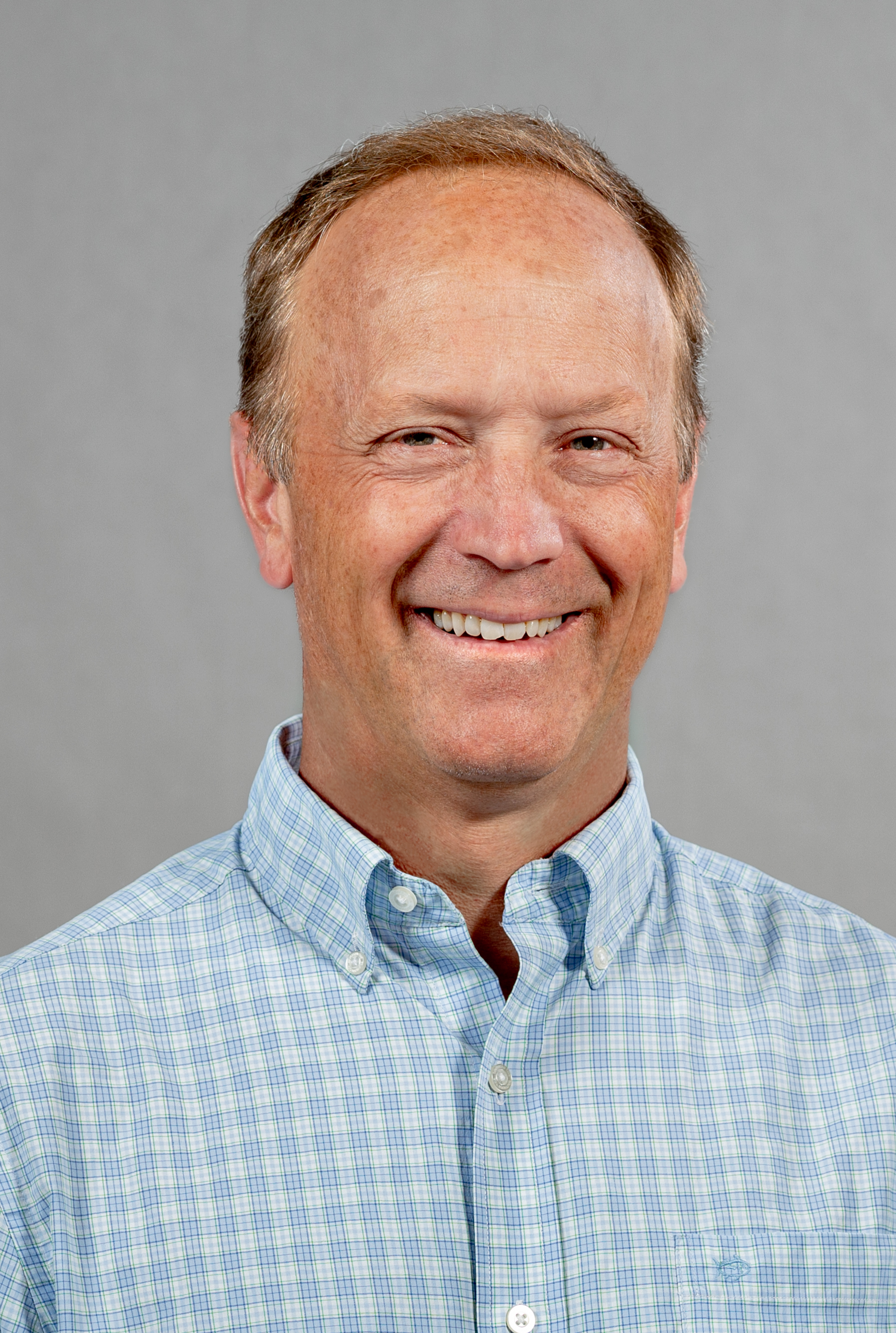
Professor Andrew (Andy) Berglund is the Director of the RNA Institute and Co-Director of the Center of Excellence in RNA Research and Therapeutics (CERRT) at the University at Albany, SUNY. Dr. Berglund is the recipient of the Keith Hynes Endowed Professor in STEM. He serves on MDA's research advisory committee and is chair of the myotonic dystrophy foundation’s scientific advisory committee. The primary goal of the Berglund lab is to understand the molecular mechanisms of pre-mRNA splicing and toxic RNA disorders, with a focus on the most common form of adult-onset muscular dystrophy - myotonic dystrophy. His lab uses biochemical, genomic, and cellular approaches to study the fundamental rules that govern RNA processing and how these events are disrupted in disease. Knowledge gained from basic biological studies is applied to developing therapeutic strategies, including small molecules, antisense oligonucleotides, and gene editing, for myotonic dystrophy and related devastating repeat expansion diseases. As a researcher and the Director of the RNA Institute, he works collaboratively with RNA Institute faculty to advance the mission to develop and deliver tools, analytics, and early-stage discoveries necessary for the progression of RNA-based therapeutics and diagnostics.
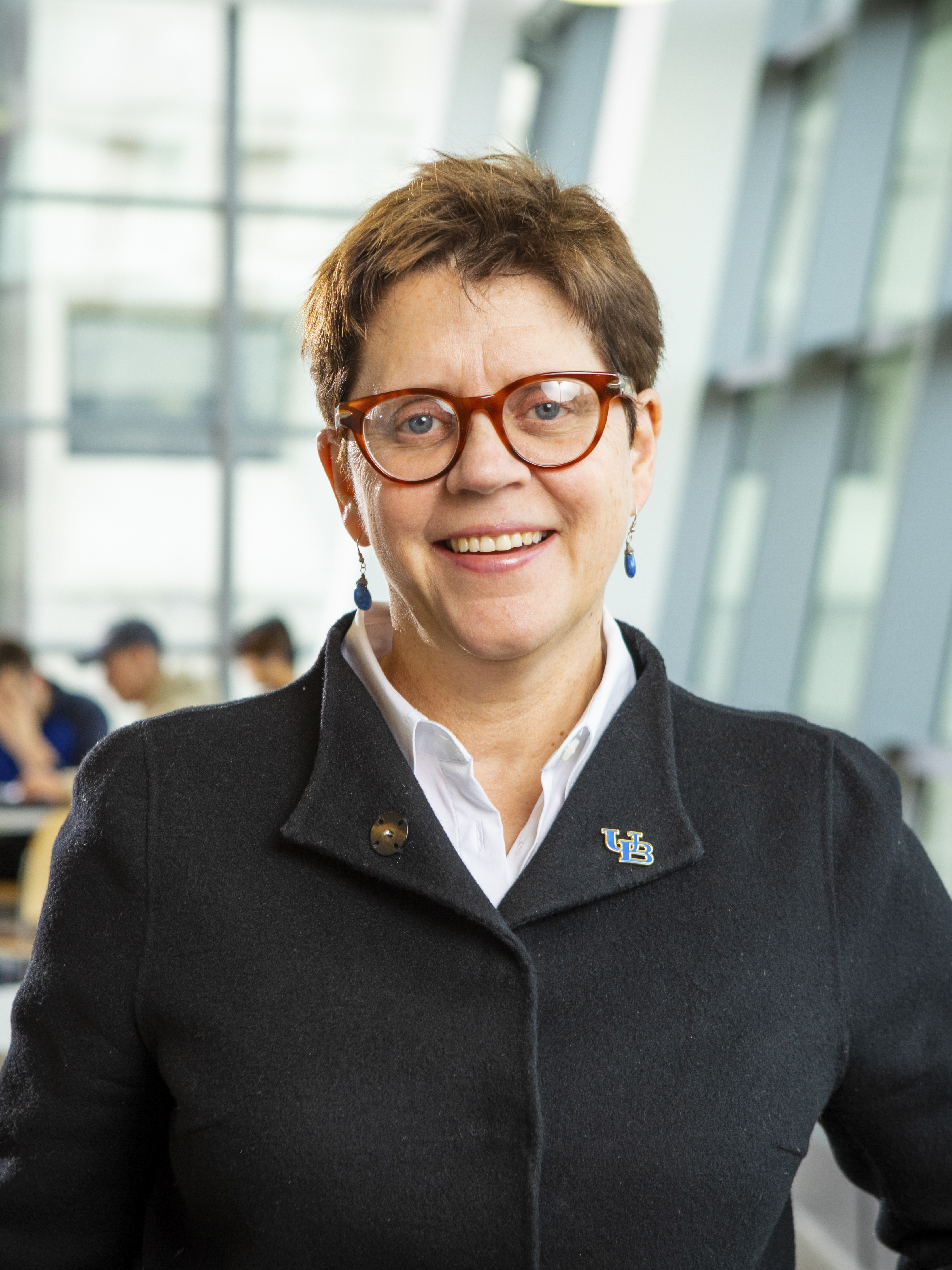
Dr. Ann Bisantz, Professor of Industrial and Systems Engineering at the University at Buffalo, is a pioneer in the fields of human factors engineering and cognitive engineering, which uses cognitive psychology and neuroscience to design and develop engineering systems to support or improve user cognitive processes. Her research works to understand aspects of human trust in automated systems, particularly those in complex human-technology work environments including healthcare, military systems, transportation, and emergency management. She examines new techniques for displaying complex and uncertain information to decision makers, including supporting the transition from legacy or manual information systems to more integrated, supportive IT systems. A Fellow of the Human Factors and Ergonomics Society (HFES), Dr. Bisantz has also received the HFES Paul M. Fitts Education award for exceptional contributions to the education and training of HFE specialists and their Mentor of the Year award. She received a 2015 Chancellor’s Award for Excellence in Scholarship and Creative Activities.

Dr. Fadi Bou-Abdallah, Professor of chemistry at SUNY Potsdam, is a world leader in the fields of ferritin and iron biology. His research focuses on understanding the intricate structure-function relationships of various proteins involved in the metabolism of iron using a range of bioanalytical, biophysical, and molecular biology techniques. With over $3 million in National Science Foundation and National Institutes of Health funding, he leads a vibrant undergraduate research program and collaborates with leading scientists worldwide. He has trained and mentored more than 60 undergraduate students, exemplifying his commitment to academic excellence through a prolific publication record of 70 peer-reviewed papers to date, many co-authored by undergraduates and featured on prestigious journal covers.
As a recipient of two prestigious awards, the Henry-Dreyfus Teacher-Scholar Award in 2016, and the Research Corporation for Science Advancement Cottrell Scholar Award in 2017, his innovative research includes the development of a procedure, currently under patent review, to produce human heteropolymeric ferritins with broad potential applications in drug delivery, biomedical diagnostics, and vaccine development. His leadership spans over a decade chairing the Northern New York Section of the American Chemical Society and organizing regional student research symposia. He received a 2016 Chancellor’s Award for Excellence in Scholarship and Creative Activities.
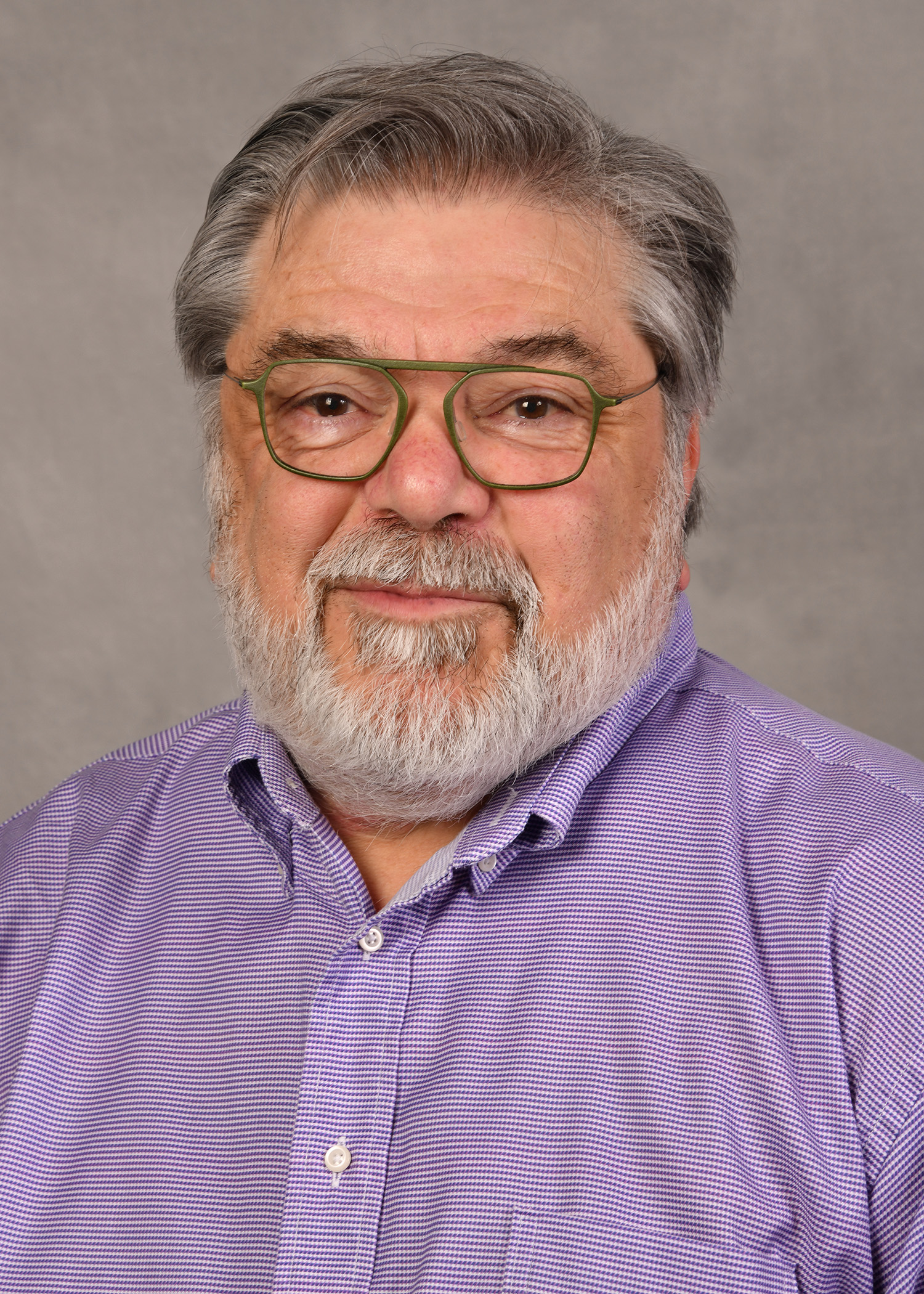
Dr. William Brunken, Professor and Vice Chair for Research in Ophthalmology and Visual Sciences and Professor of Neuroscience and Physiology at Upstate Medical University, is a highly accomplished vision researcher. He examines retinal development and degeneration, with a focus on extracellular matrix and laminins in neurodegenerative eye disease, and more broadly in neuronal development. He has been continuously funded by the National Institutes of Health for over 20 years. Dr. Brunken leads the Center for Vision Research (CVR), one of the preeminent ophthalmology research programs in the country. Under his leadership, funding for the CVR has more than doubled over the past decade and has been over $5 million annually for the past three years. A 2015 Fellow of the Association for Research in Vision and Ophthalmology, Dr. Brunken received Upstate Medical University’s President’s Award for Excellence in Leadership and Research in 2020.
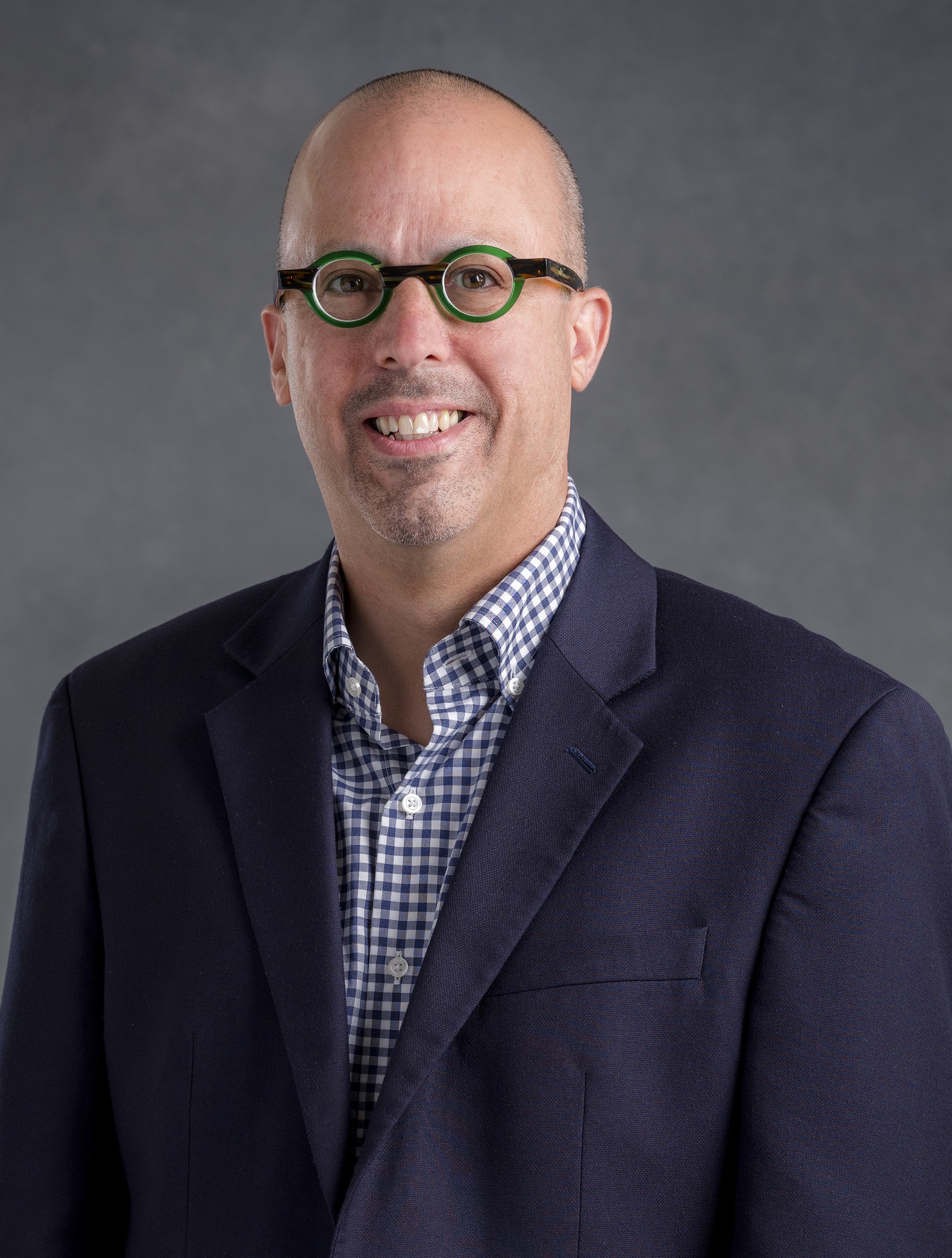
Dr. Gregg D. Caruso, Professor of Philosophy at Corning Community College, is an expert in the philosophy of action, philosophy of mind and social philosophy, particularly as they relate to justice and ethics. Co-Director of the Justice Without Retribution Network at the University of Aberdeen in Scotland, Caruso engages a range of fields, considering free will, moral responsibility, and criminal punishment in the contexts of philosophy (of the mind, of morals, of politics, etc.) and psychology (of law, of morals, of cognition, etc.). His work across six books, five edited collections, and 40 articles attempts not to rebalance the scales of justice, but to restore individuals to participation in the moral community and acceptance of the norms they have flouted. His 2020 book Rejecting Retributivism received the 2022 American Philosophical Association’s Joseph B. Gittler Award for outstanding scholarly contribution. He received a 2015 Chancellor’s Award for Excellence in Scholarship and Creative Activities.

Deborah D.L. Chung is SUNY Distinguished Professor in University at Buffalo, The State University of New York. She received Ph.D. degree in Materials Science from Massachusetts Institute of Technology (1977), and B.S. degree from California Institute of Technology (being the first woman engineering graduate of California Institute of Technology, 1973). She is a pioneer and international leader in the fields of multifunctional structural materials, thermal interface materials and electromagnetic interference (EMI) shielding materials. She changed the paradigm of EMI shielding materials design from electrical-conductivity-based design to interface-area-based design.
She has authored or coauthored >600 archival journal papers and 10 books. Chung is Fellow of American Academy of Arts and Sciences (elected in 2023), Fellow of ASM International (1998), and Fellow of American Carbon Society (2001). Chung has published over 600 peer-reviewed journal papers (49,459 citations, h = 115, Google Scholar, 2/27/3035) and 10 books. Honors Chung has received include the following: the UB President’s Medal (2024), SUNY Chancellor’s Award for Excellence in Scholarship and Creative Activities (2003), SUNY Outstanding Inventor (2002), Pettinos Award from American Carbon Society (2004), Robert Lansing Hardy Gold Medal from American Institute of Mining, Metallurgical, and Petroleum Engineers (1980), and Honorary Doctorate from University of Alicante, Spain (2011). The 2023 study of Stanford University ranked Chung 14th among 299,561 materials researchers in the world (living and deceased), and 1st among those who are female. She is ranked 16th among 570,007 researchers in the world in the field of mechanical engineering (scholargps.com, 2022). In every year since 2018 (year of inception of the ranking), she has been ranked 1st among all researchers in University at Buffalo (living/deceased, all fields combined, Stanford University study). Nearly 40 Ph.D. students have graduated under her supervision. About 4,000 students have taken her materials courses.
She and her husband are philanthropists, with the following entities named after them: (i) Science and Arts Building, Christian Central Academy, Williamsville, NY, (ii) the Analytical Chemistry Laboratory, California State University, Northridge, (iii) the Distinguished Lecture Series on the Path to Professional Success, California State University, Northridge, (iv) the Lecture Series on the Path to Scientific Success, Department of Chemistry, Massachusetts Institute of Technology, and (v) a Graduate Student Scholarship Fund, School of Science, Massachusetts Institute of Technology.
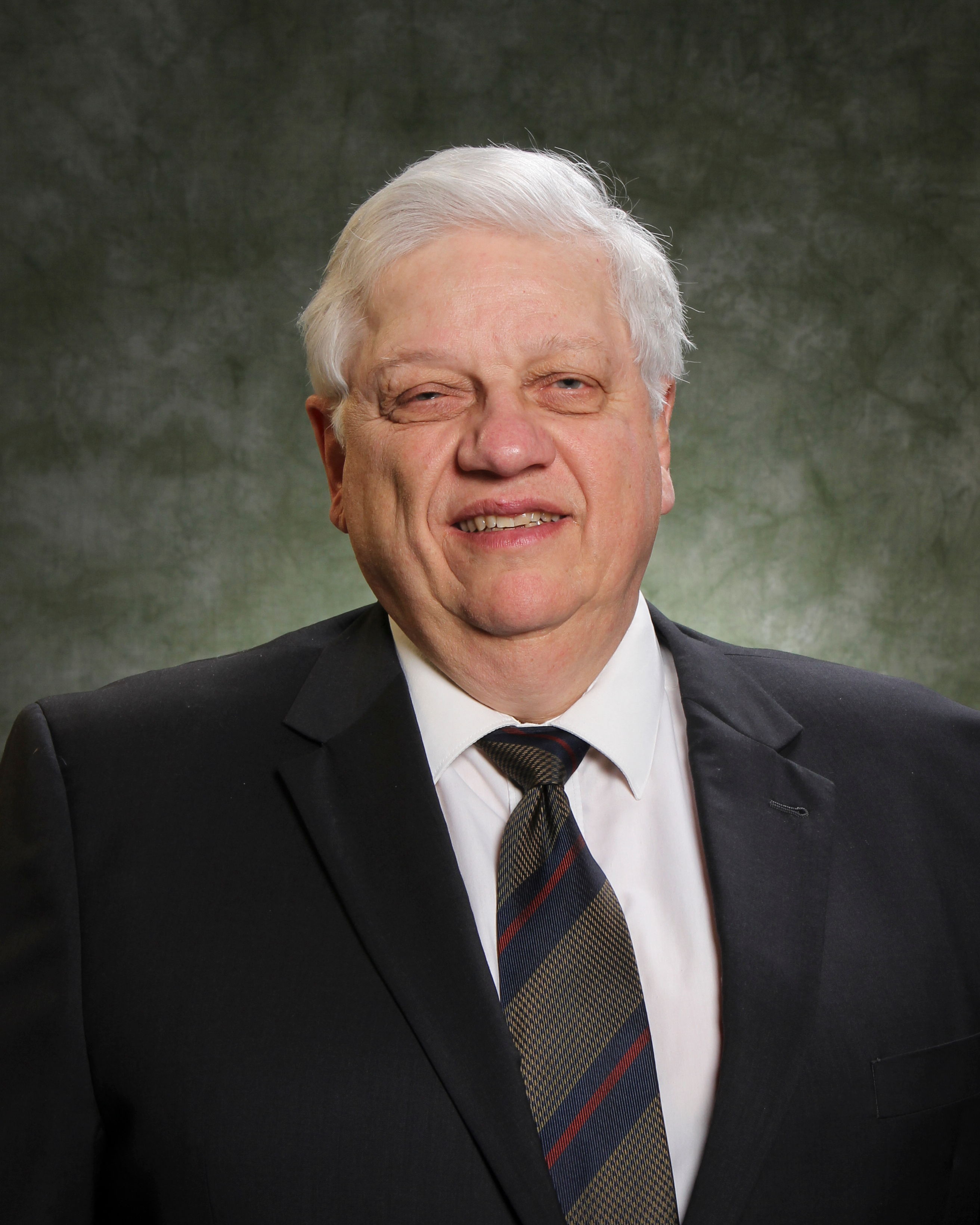
Dr. David Cingranelli, Professor of Political Science at Binghamton University, is a leading figure in the quantitative measurement of human rights. With David Richards, Dr. Cingranelli developed one of the first (and most widely used) data sets on human rights: the Cingranelli and Richards Human Rights Data Project better known as CIRI Project. From 2004 to 2014, the CIRI Project provided quantitative ratings of 15 different indicators of human rights for 202 countries from 1981 to 2011, and it remains one of the best sources of rigorous multi-dimensional data on human rights conditions worldwide. Its data has been used in over 170 countries by more than 400 organizations. His introduction of systematic empirical analysis of human rights conditions changed the field, and now such qualitative analysis accounts for one third to one half of studies done. He received a 2008 Chancellor’s Award for Excellence in Faculty Service.
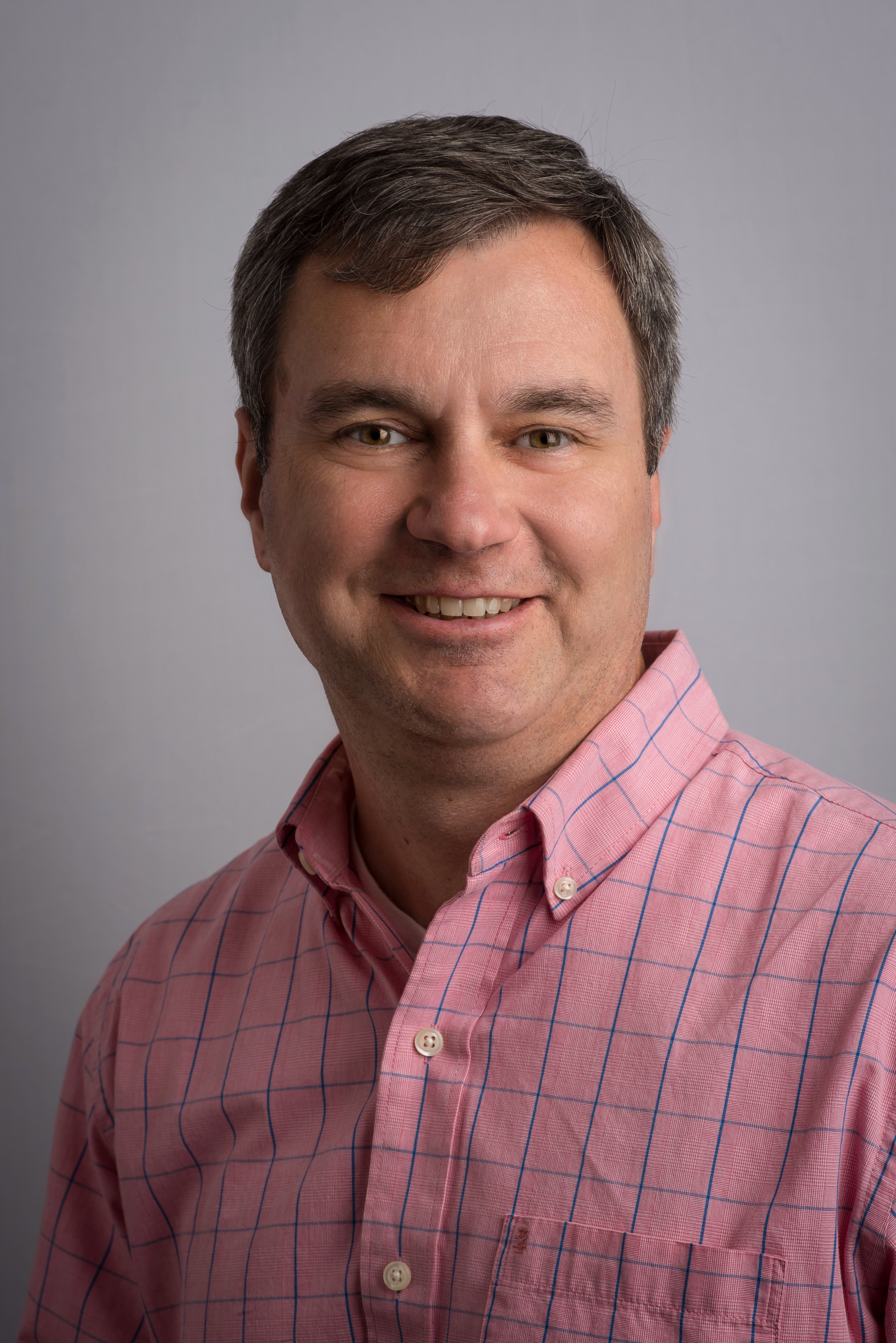
Dr. Craig Colder, Professor of Psychology at the University at Buffalo, is a world-renowned authority on alcohol use and abuse. One of the first to develop ways to assess the consequences of alcohol use in young adulthood, Dr. Colder developed a questionnaire that has been cited over 600 times. Dr. Colder’s groundbreaking longitudinal studies on the development of alcohol use disorder established the psychological and ecological predictors of substance abuse, including the role of parent alcoholism, the role of peer influences, temperamental factors, maternal depression, and adolescent social competence. His recent work extends into related topics, including risk taking, cigarette smoking and cessation, and other health behaviors more broadly. In 2002 the Robert Wood Johnson Foundation named him a Tobacco Etiology Research Network Scholar. A Fellow of the Association for Psychological Science, Dr. Colder received a 2022 Chancellor's Award for Excellence in Scholarship and Creative Activities.
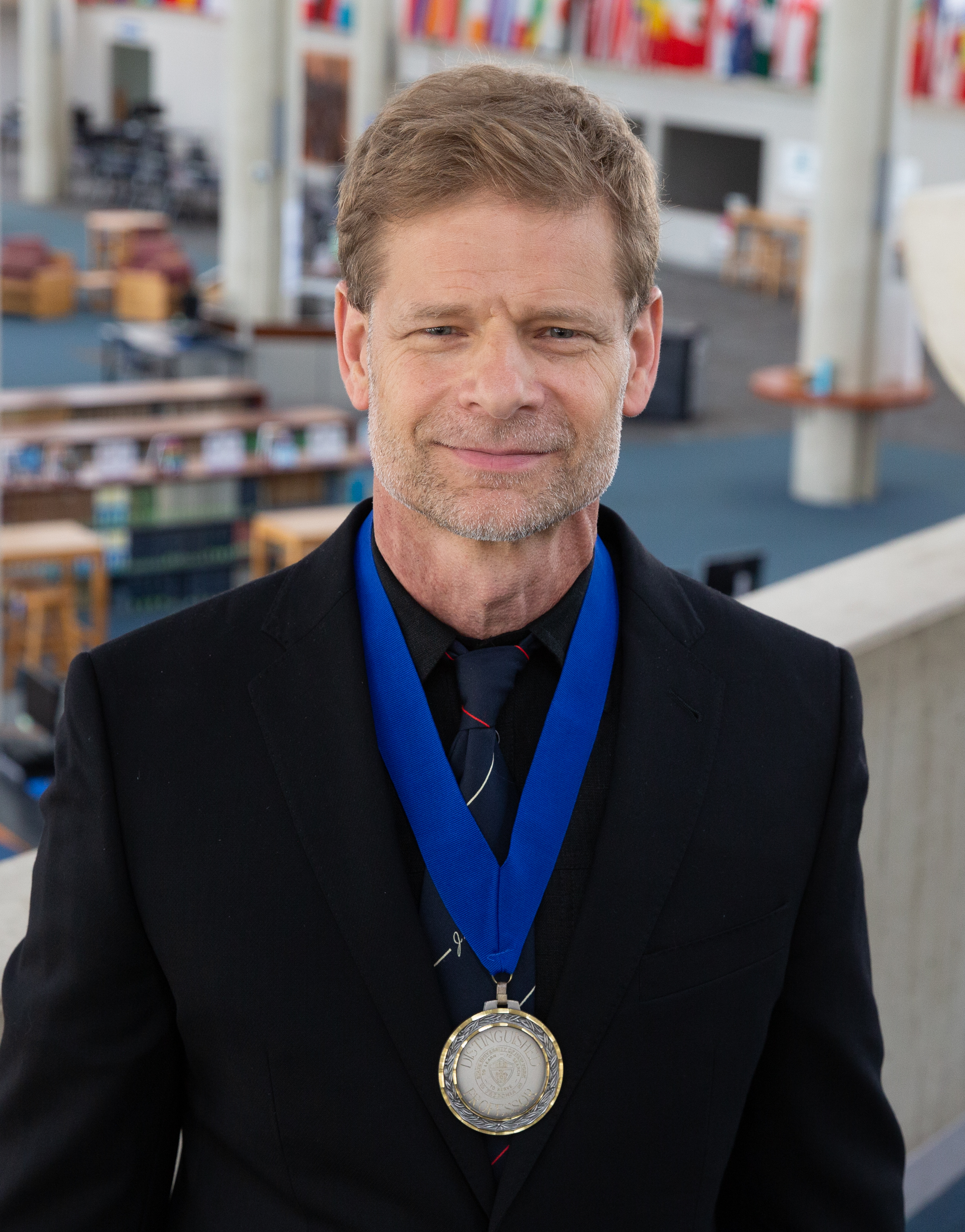
Mr. Timothy Frerichs, Professor of Art at SUNY Fredonia, is an international expert in printmaking, artist books, and paper arts. His commitment to environmental concerns and socially-relevant art is demonstrated through his use of natural materials. By placing locally originated art in an international context, Mr. Frerichs creates an international exchange of ideas and artistic interaction. His artist books have been exhibited throughout the U.S. as well as in Lithuania, Turkey, the Netherlands, Germany, Sweden, and Italy. He uses experimental processes such as material printing to expand on the techniques of intaglio printing including drypoint, etching, aquatint, reservage, and lithography. He has received two Fulbright scholarships, a Scandinavian American Fellowship, a Netherlands-American Cultural Grant, a U.S. Embassy Project Grant, and a Global Warming Grant from Arts Services Inc. He received a 2020 Chancellor’s Award of Excellence in Research and Creativity.
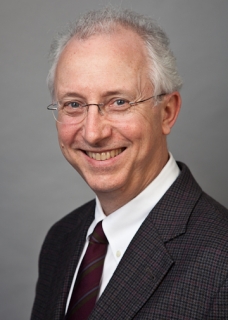
Dr. F. Eugene Heath, Professor of Philosophy at SUNY New Paltz, is an internationally recognized expert in the 18th-century Scottish Enlightenment. His research focuses on the philosophy of the Scottish and British Enlightenments, on the history of political and economic thought, and on central Enlightenment figures, notably Adam Smith and Adam Ferguson. He edited or co-edited five books, including a 2024 multi-volume edition of Ferguson’s collected works. As part of his work in business ethics, Heath co-edited The Routledge Companion to Business Ethics, a global survey that drew contributions from China, South Asia, Africa, Latin America, and Central Europe and Russia, and his 2017 edited collection Wealth, Commerce, & Philosophy: Foundational Thinkers and Business Ethics has been translated into Chinese. He was awarded a visiting research fellowship by the University of Edinburgh’s Institute for Advanced Studies in the Humanities for work on the European Enlightenment Project.
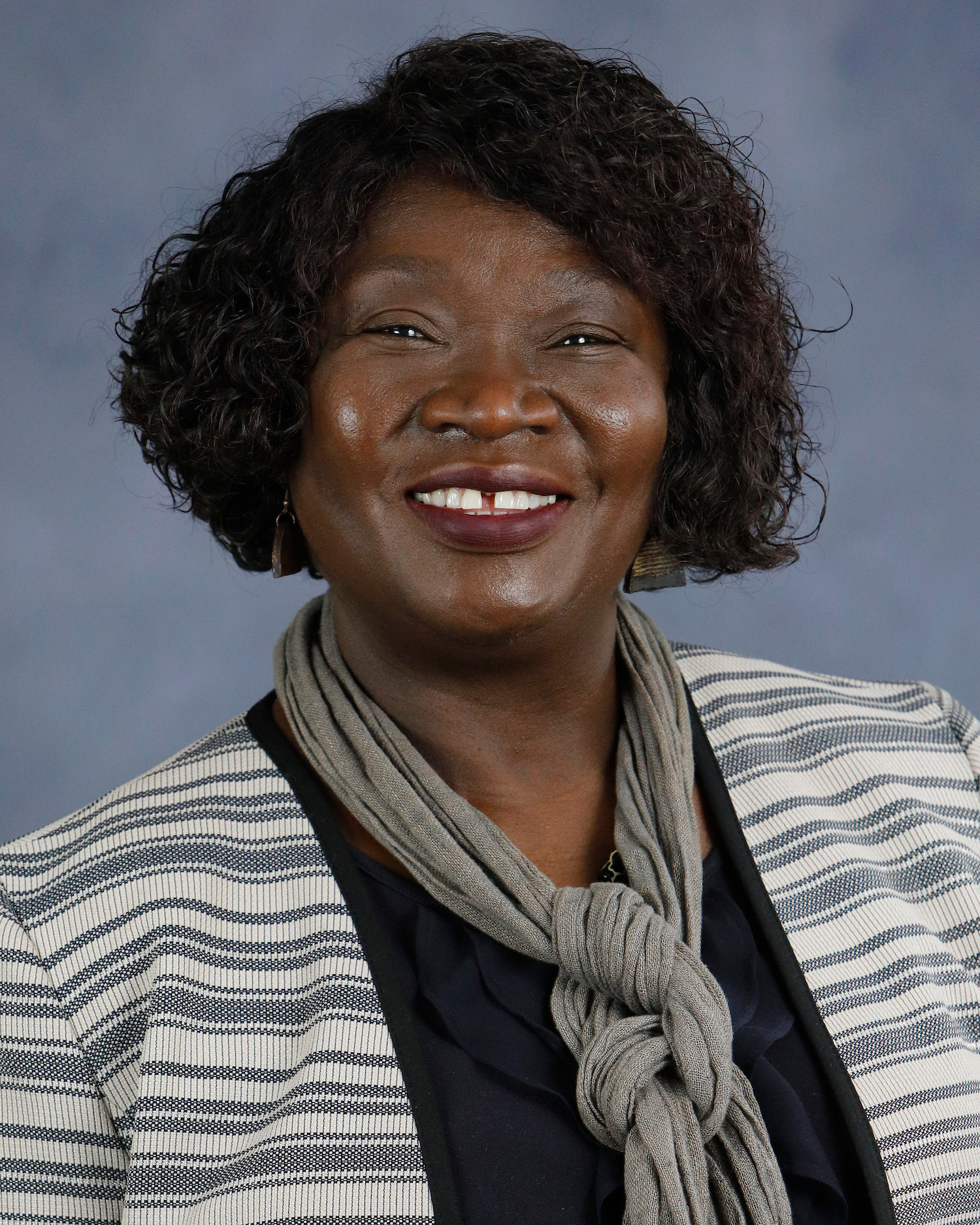
Dr. Ibipo Johnston-Anumonwo, Professor of Geography at SUNY Cortland, is a pioneer in the field of feminist geography. Her groundbreaking work documented the ways gender matters in urban spatial relationships, influencing urban geography and, more generally, urban studies. One of the first to investigate how gender and race, taken together, lead to important differences in urban transport patterns and spatial relations, she early recognized the significance of intersectionality, specifically how multiple forms of inequality interact with each other and shape socio-spatial behavior. A 2010 recipient of the Chancellor’s Award for Excellence in Scholarship and Creative Activities, she was, in 2016, selected by the University of Florida as a Distinguished Anderson Scholar for her work in Geography and African Studies. She received the prestigious 2016 American Association of Geographers Distinguished Teaching Award. In 2019 she was named a Carnegie African Diaspora Fellow.
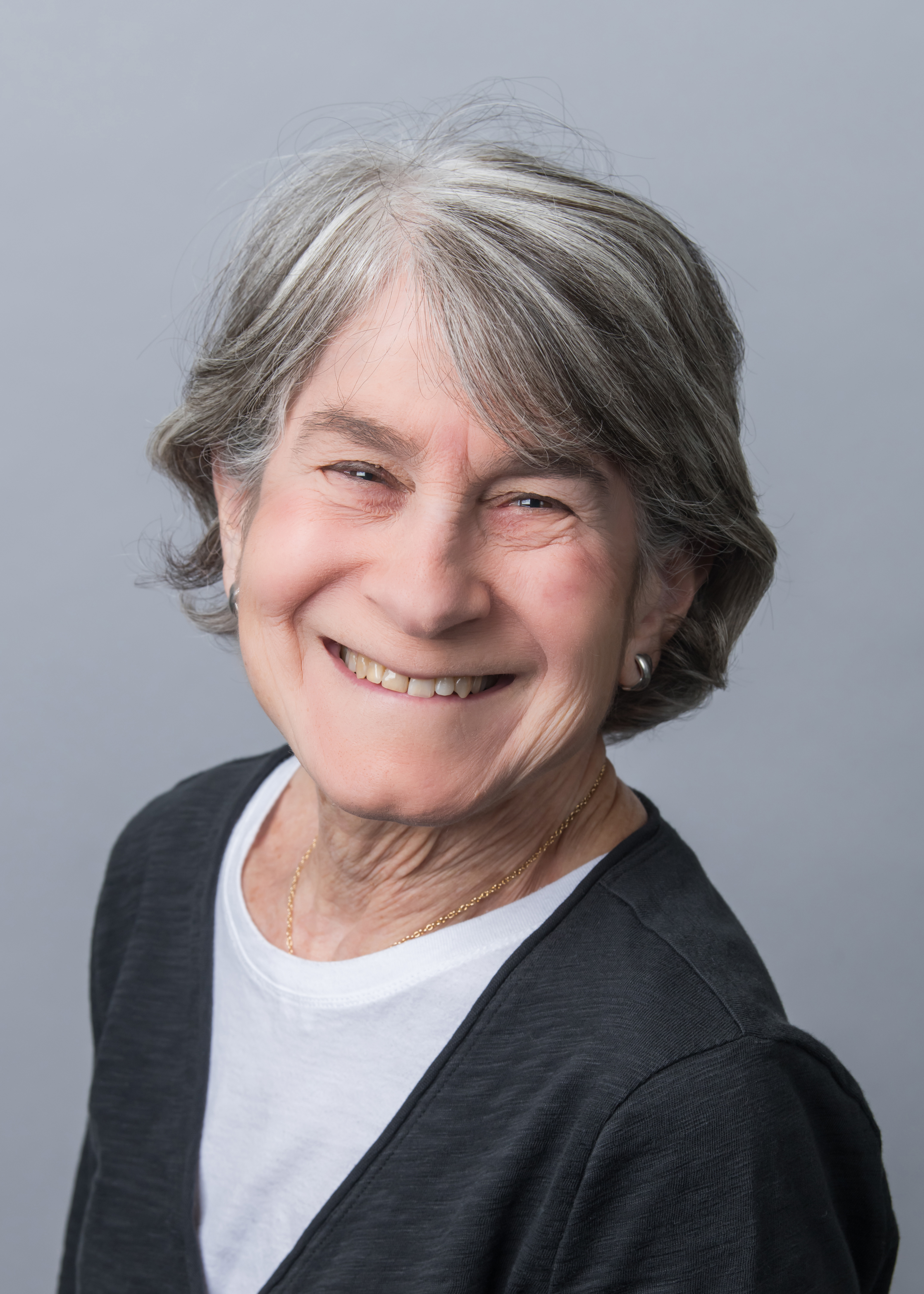
Dr. Nancy Kassop, Professor of Political Science and International Relations at SUNY New Paltz, is a national authority on the American presidency, constitutional law, and judicial politics. A public intellectual on the separation of governmental powers, Dr. Kassop focuses on the intersection of the law and the presidency, promoting understanding of the legal and political dimensions of the office and its inherent tensions. An expert on the White House Counsel, she regularly serves as an invited scholar-interviewer for the White House Transition Project and the Presidential Oral History Program at the Miller Center at the University of Virginia, two extensive sources of primary research material for presidency scholars. An active member and past president of the Presidents and Executive Politics section of the American Political Science Association, she received the SUNY Chancellor's Award for Excellence in Scholarship and Creative Activities in 2019, was selected for the SUNY New Paltz Alumni Association's Heritage Award in 2022, and was named Teacher of the Year by the College of Liberal Arts and Sciences in 1997.

Dr Jeffrey Lackner, SUNY Distinguished Professor of Medicine and Chief of its Division of Behavioral Medicine, is an internationally recognized authority in the field of high impact chronic pain disorders such as irritable bowel syndrome (IBS). The cognitive behavioral (CBT) treatment he developed is regarded as one of the most effective treatments of any type for IBS. His team was one of the first to use sophisticated brain imaging techniques to assess the neural correlates of improvements in GI symptoms of CBT patients. More recently, he and his colleagues showed that baseline levels of intestinal microbiota and serotonin levels corresponded with CBT response, suggesting that peripheral signals from the microbiota can modulate central processes affected by CBT that generate abdominal symptoms in IBS. CBT response was also characterized by parallel shifts in brain networks and gut microbiome that may reflect top-down effects of the brain on the microbiome from learning CBT strategies. This work over the past 30 years has dramatically changed clinical practice guidelines around the world, pioneered the development of novel, low-intensity treatments that target their normalization, and helped revolutionize the field’s understanding of brain-gut interactions. He is a fellow in multiple scientific organization including the American Gastroenterological Association, Academy of Behavioral Medicine Research, Association for Psychological Science, American Psychological Association, and Society of Behavioral Medicine.

Dr. Kenneth Mann, Professor of Orthopedic Surgery and Director of the Musculoskeletal Science Research Center (MSRC) at Upstate Medical University, is one of the world’s foremost investigators of musculoskeletal biomechanics and orthopaedics. His work has significantly advanced the understanding of the mechanics of joints, joint implants, cement, and their interfaces, improving the clinical practice of total knee and hip replacements. His research has illuminated the evolution of the mechanical properties of bone tissue as affected by metastatic cancer disease as well as interventions for treatment. His leadership of the MSRC has advanced the Department of Orthopedic Surgery’s ranking amount the top ten Orthopedic Surgery departments nationally for NIH funding. A fellow of the Orthopaedic Research Society and the American Society of Mechanical Engineers, he received a 2013 Upstate President’s Award for Excellence in Leadership and Research and a 2014 SUNY Chancellor’s Award for Excellence in Scholarship and Creative Activities.

Dr. Derek C. Maus, professor of English at SUNY Potsdam, is a central figure in contemporary American literary studies and in American humor studies. His work on satire in both American and Russian literatures has been particularly influential, and his book “Unvarnishing Reality” (South Carolina University Press, 2011) remains the only book-length comparative study of American and Russian satirical fiction from the Cold War period. Although this early scholarly interest remains prominent in his work, his more recent scholarship has engaged in a wide-ranging survey of African American satire within the historical and cultural context of the post-Civil Rights United States. As part of this effort, he published the first book-length critical studies on both Colson Whitehead and Percival Everett. Along with his SUNY Potsdam colleague Dr. James J. Donahue, he has also co-edited two well-regarded collections of new scholarly essays about contemporary African American satire, “Post-Soul Satire” (University Press of Mississippi, 2014) and “Greater Atlanta” (University Press of Mississippi, 2024). His next book project is a comparative study of representations of Blackness in contemporary American and Canadian fiction, which will be published by the Ohio State University Press in 2026. He has held visiting fellowships in Canada (at McGill and Concordia) and in St. Petersburg, Russia, and taught as a Fulbright scholar in Graz, Austria in 2010. He received a 2015 Chancellor’s Award for Excellence in Scholarship and Creative Activities.
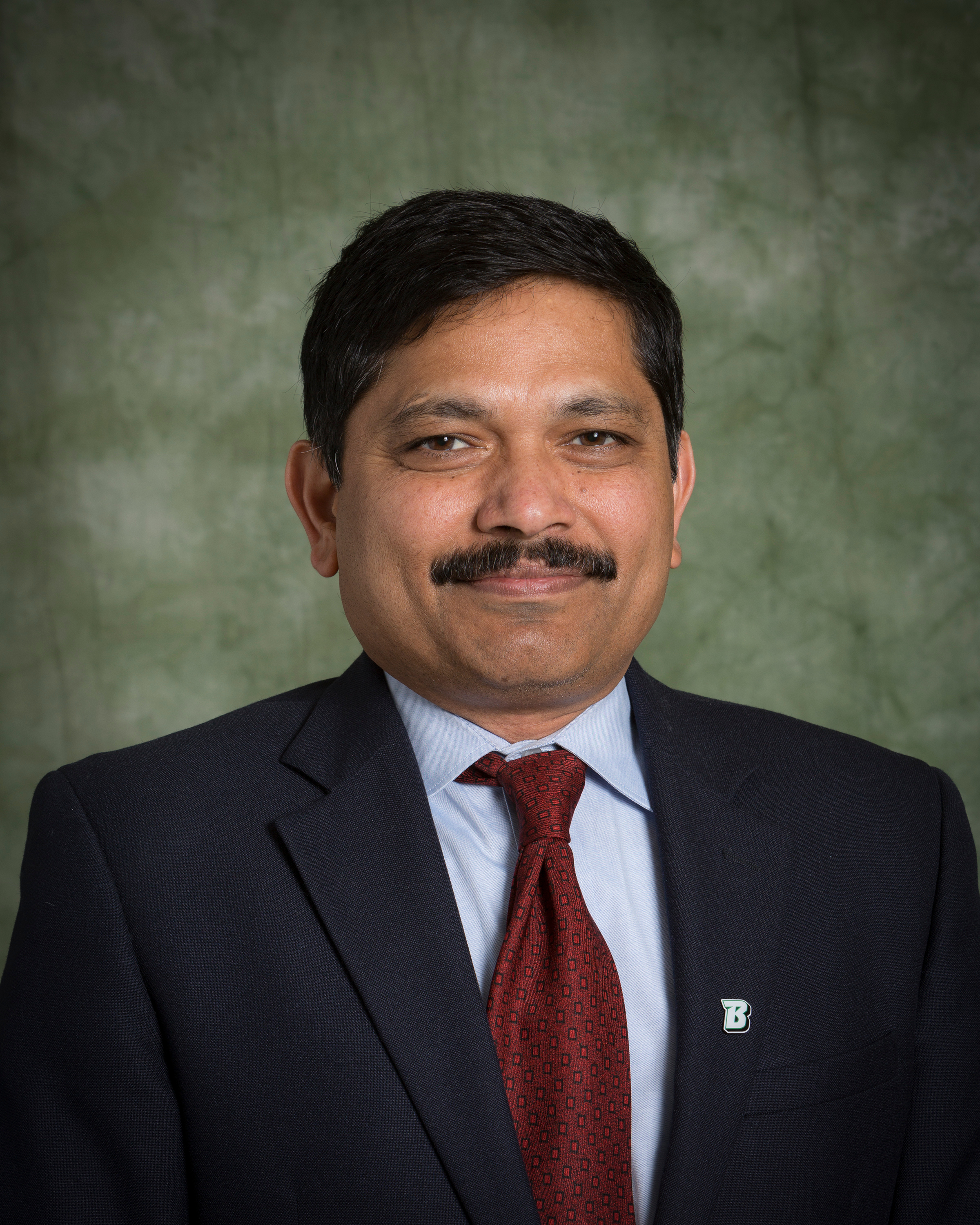
Dr. Kanneboyina Nagaraju, Professor of Pharmacy and Pharmaceutical Sciences at Binghamton University, is an internationally renowned immunologist in the field of neuromuscular disease. His studies of inflammation in muscle disease and his use of mouse models have led to the development of both standard operating procedures for carrying out pre-clinical efficacy trials and to drugs that treat muscle disease. His work has been systematic, first understanding the pathological process in muscle inflammation, then developing methods for assessing the effects of drug interventions, and finally applying these testing methods to pre-clinical efficacy studies. Dr. Nagaraju was a key collaborator in the identification of a potent anti-inflammatory, membrane-stabilizing dissociated glucocorticoid that has been demonstrated to be highly efficacious in several inflammatory disease models. He has authored more than 200 refereed publications and has received several million in grant support for the National Institutes of Health, U.S. Department of Defense, and multiple foundations.
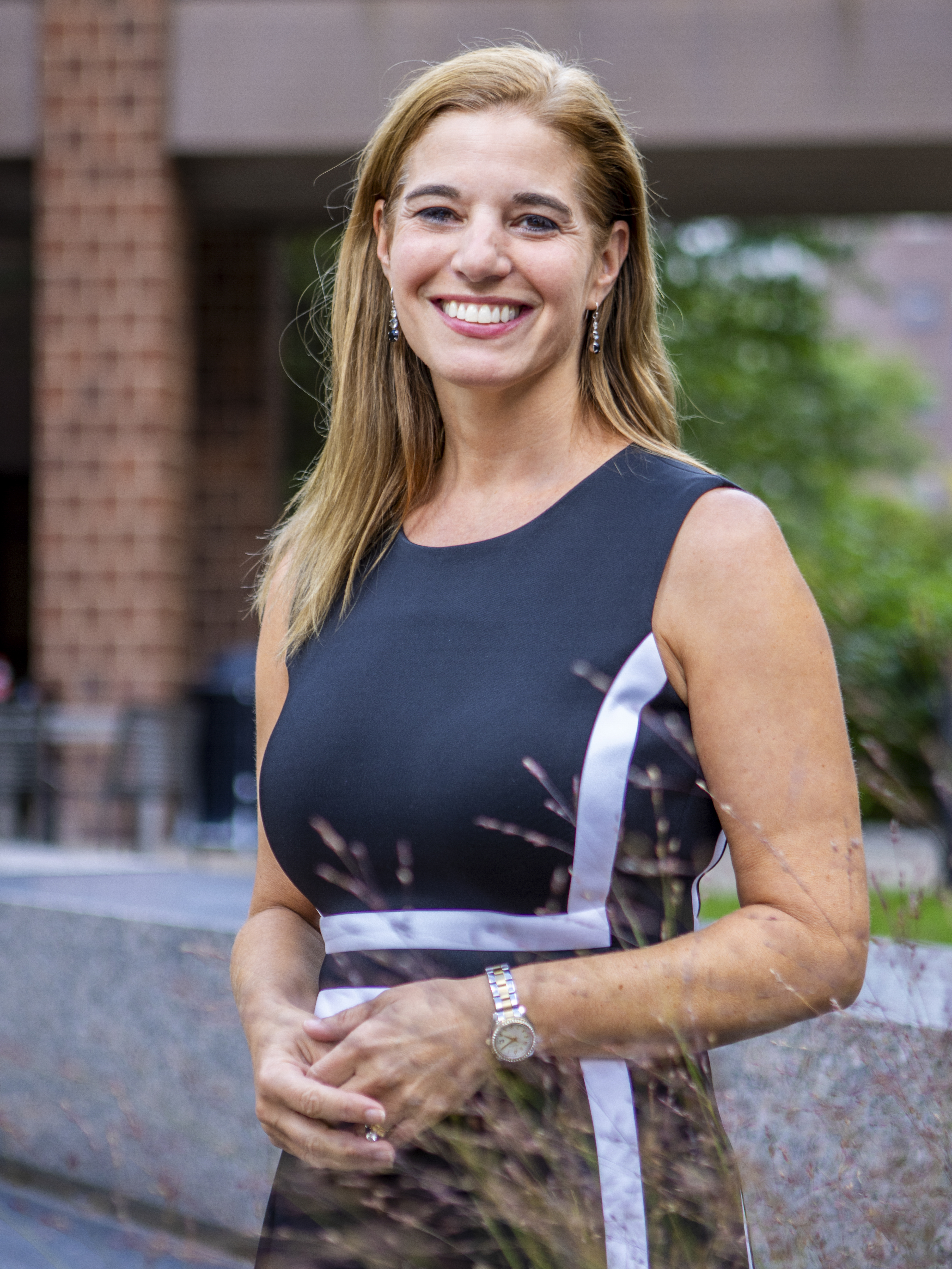
Dr. Amanda B. Nickerson, Professor of Counseling, School & Educational Psychology at the University at Buffalo, has made significant and sustained contributions to the field of school psychology. She serves as inaugural director of the Alberti Center for Bullying Abuse Prevention, one of the U. S. Department of Education’s Regional Educational Laboratories. Her research focuses on understanding, preventing, and intervening with school crises, with an emphasis on addressing interpersonal violence, such as aggression, bullying, and abuse, and on promoting safety and mental health. She developed and validated the Bystander Intervention Model in Bullying and Sexual Harassment and is currently testing the NAB IT! (Norms and Bystander Intervention Training) to reduce bullying and sexual harassment. Her PREPaRE School Crisis Prevention and Intervention Training has improved interventional attitudes and knowledge of thousands of school personnel. A Fellow of the American Psychological Association, Dr. Nickerson received UB’s Exceptional Scholar Award for Sustained Achievement in 2018 and the UB President’s Medal in 2019.

Professor Seungbae (SB) Park is a SUNY Distinguished Professor of Mechanical Engineering of the State University of New York (SUNY) at Binghamton. He is also the director of Integrated Electronics Engineering Center (IEEC), a New York State Center for Advanced Technology (CAT).
He received his Ph.D from Purdue University in 1994 and worked for IBM before joining SUNY Binghamton. He has more than 200 technical publications and holds 4 US patents. Dr. Park was elected as an IEEE Fellow, ASME Fellow, Chair of IEEE Electronic Packaging Society Thermal/Mechanical Technical Committee, Chair of ASME Electronics and Photonics Packaging Division, Former Chair of ASME K-16 Committee on Heat Transfer in Electronic Equipment, and served as an associate editor for ASME Journal of Electronic Packaging.
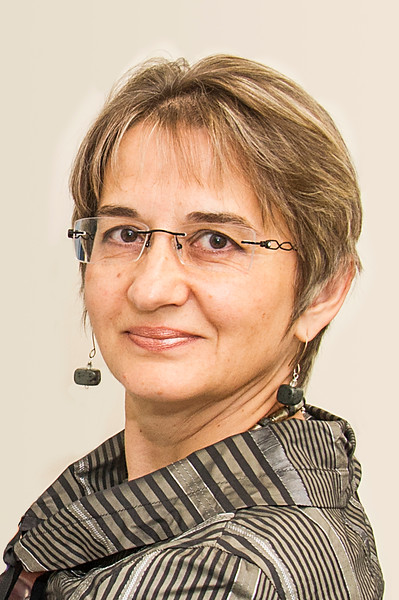
Dr. Marina Petrukhina, Professor of Chemistry at the University at Albany, is a world-renowned researcher in inorganic and organometallic chemistry. She has successfully developed a novel approach that combines methods of both organic chemistry and inorganic chemistry to produce new compounds with unique properties. Her work has opened up a fundamentally new field known as "buckybowls": the organometallic chemistry of open geodesic polyarenes. Her work focuses on synthesizing polycyclic aromatic and antiaromatic hydrocarbons with alkali metals and on analyzing the structural character of these compounds using X-ray crystallography. She is especially known for her pioneering development of innovative laboratory techniques for synthesizing, isolating, purifying, crystallizing, and characterizing the compounds with scrupulous precision—work that has led scientists from across the globe to send her their samples for analysis. A Fellow of the American Chemical Society, Dr. Petrukhina received a 2014 Chancellor’s Award for Excellence in Scholarship and Creative Activities.
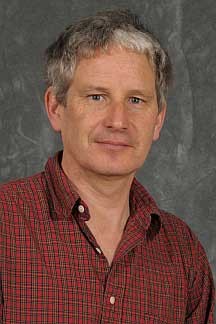
Dr. Daniel P. Raleigh, Professor of Chemistry at Stony Brook University, is a world leader in the biophysical analysis of protein folding and protein amyloidosis. The unfolded state determines the stability of globular proteins, and the early intermediates in protein aggregation determine the onset and severity of disorders like Alzheimer’s disease, Parkinson’s disease, and type-2 diabetes. Dr. Raleigh has developed new approaches to enhance protein stability and novel methods to study protein folding and aggregation. Work on protein aggregation is directed at pancreatic amyloid formation by the polypeptide hormone amylin in diabetes, a process which contributes to beta-cell failure in the disease. His team has defined the toxic species produced during pancreatic amyloidosis and has defined a new mechanism of beta-cell death in diabetes. He has designed soluble, bio-active variants of amylin suitable for hormone replacement therapy in diabetes. A member of the National Academy of Inventors, Dr. Raleigh is the President of the international Protein Society.
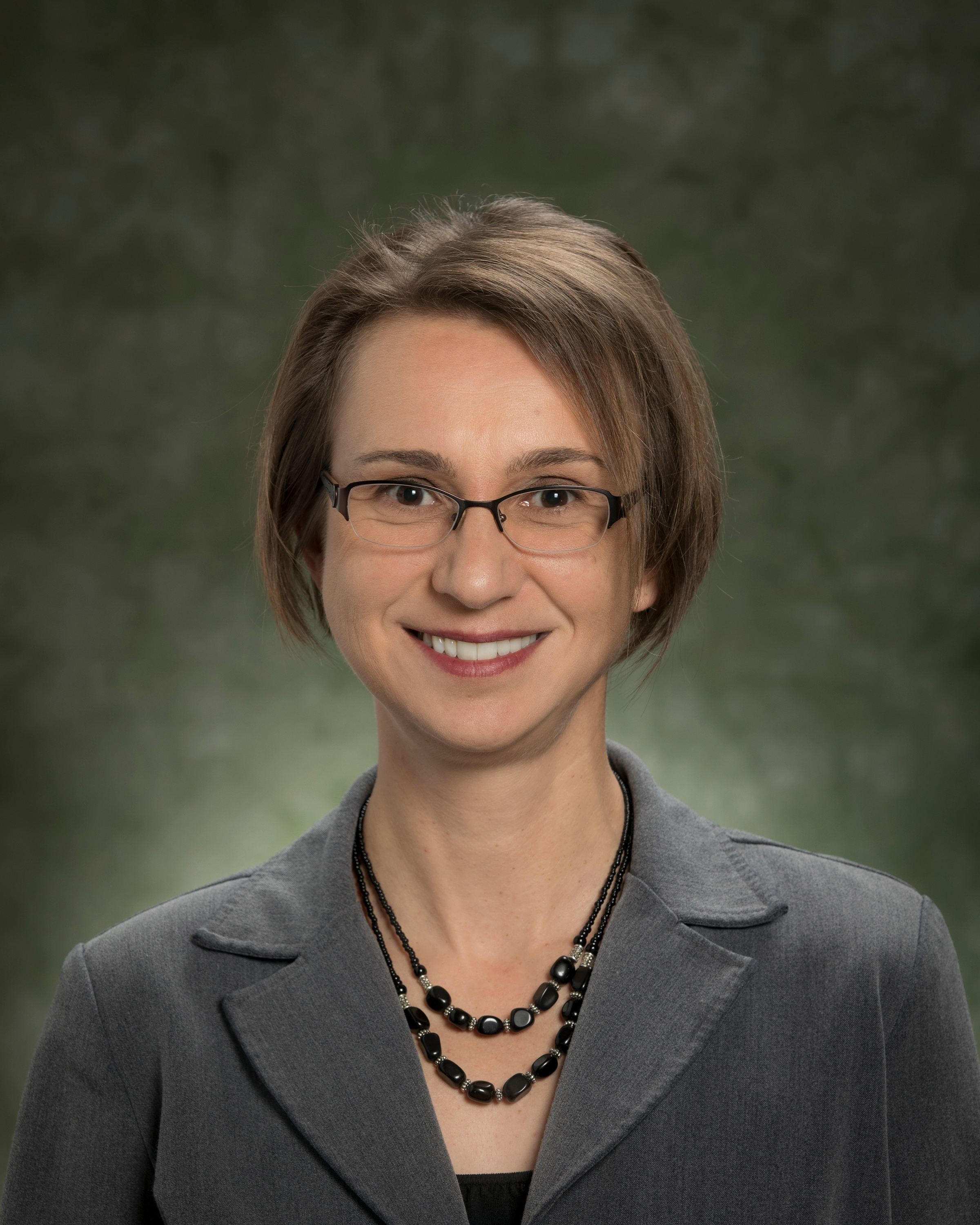
Karin Sauer studies biofilm formation by the opportunistic pathogen Pseudomonas aeruginosa. She focuses on elucidating regulatory mechanisms underlying biofilm development, biofilm dispersion and biofilm antimicrobial resistance. She earned a doctorate in microbiology and biochemistry from the Max-Planck-Institute for Terrestrial Microbiology in Marburg, Germany, completed post-doctoral fellowships at the Max-Planck-Institute for Terrestrial Microbiology and the Center for Biofilm Engineering at Montana State University. Her postdoctoral work with Anne Camper at the Center for Biofilm Engineering at Montana State University in Bozeman and her subsequent research at Binghamton University led to the discovery that surface attachment by Pseudomonas sp. not only coincides with significant changes at the transcript and protein levels and but that subsequent formation of biofilms occurs in a progressive and stage-specific manner with each stage displaying a distinct phenotype. Dr. Sauer joined the faculty at the Department of Biological Sciences at Binghamton University in 2002. She is a Distinguished Professor at the Department of Biological Sciences, Co-director of the Binghamton Biofilm Research Center (BBRC), and Co-director of the Microbial Biofilm REU program. Karin Sauer is the recipient of the Otto Hahn Medal, the Dean’s distinguished lecture, and the Chancellor's Awards for Excellence in Scholarship and Creative Activities. She has been elected fellow of the American Academy of Microbiology. Her research has received continuous funding from the National Institutes of Health since 2003.
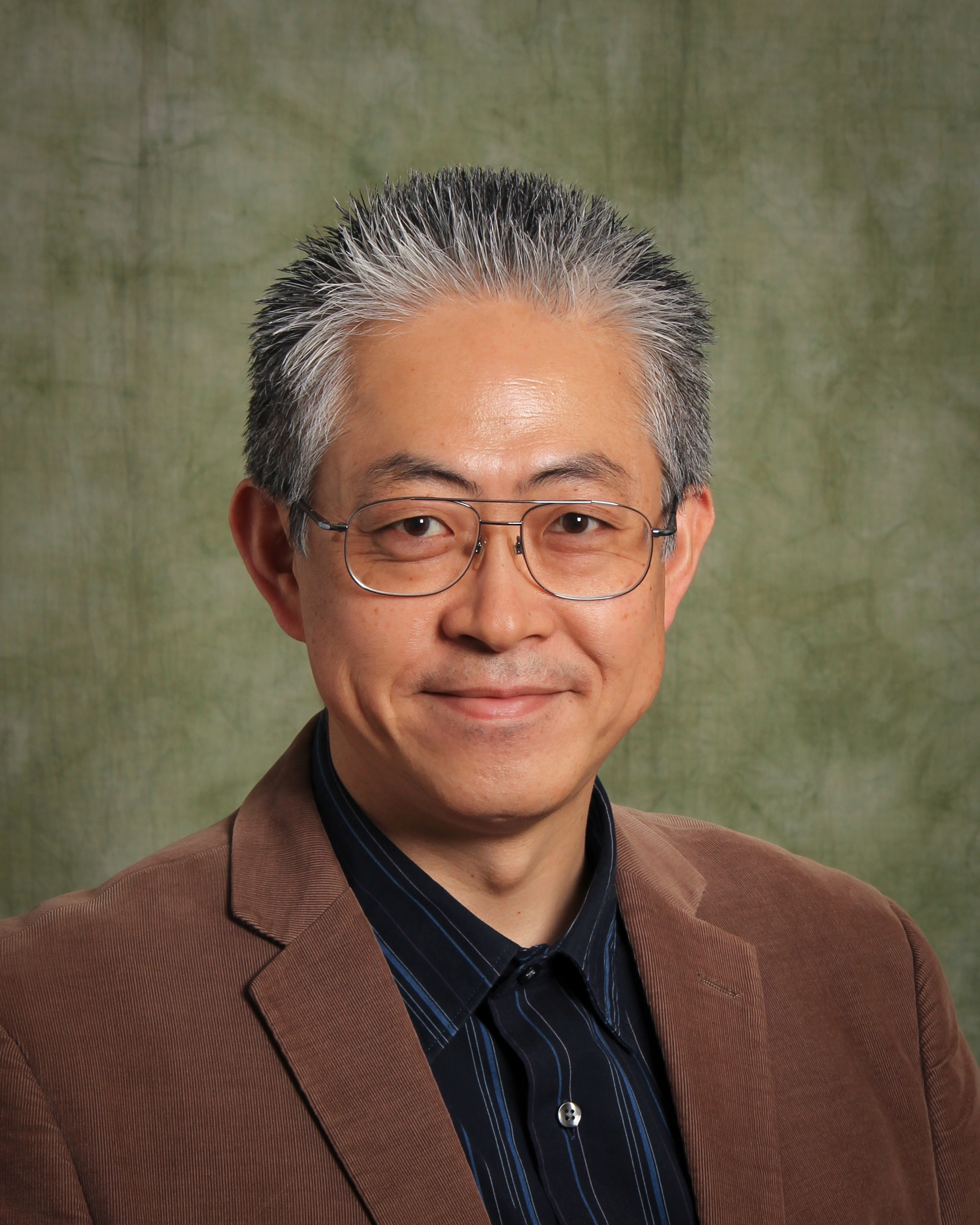
Dr. Hiroki Sayama, Distinguished Professor of Systems Science and Industrial Engineering and Director of the Binghamton Center of Complex Systems at Binghamton University, is internationally recognized as one of the leading figures of the field of complex systems science. His research covers several distinct areas, including artificial life and computational synthetic evolutionary systems; theoretical modeling and experimental investigation of human collective decision making and organizational dynamics; complex adaptive networks in which dynamic changes occur in both network structure and states of network components; applications of complex systems modeling and analysis to various societal problems; and unique education/outreach activities involving K-12 students, teachers and the public. He founded the Binghamton Center of Complex Systems (CoCo), the Complex Systems Society US Northeast Chapter, the Northeast Regional Conference on Complex Systems (NERCCS), and the Northeast Journal of Complex Systems (NEJCS), an open-access online journal with no publication fees. He received a 2016 Chancellor's Award for Excellence in Teaching and a 2022 Chancellor's Award for Excellence in Faculty Service.
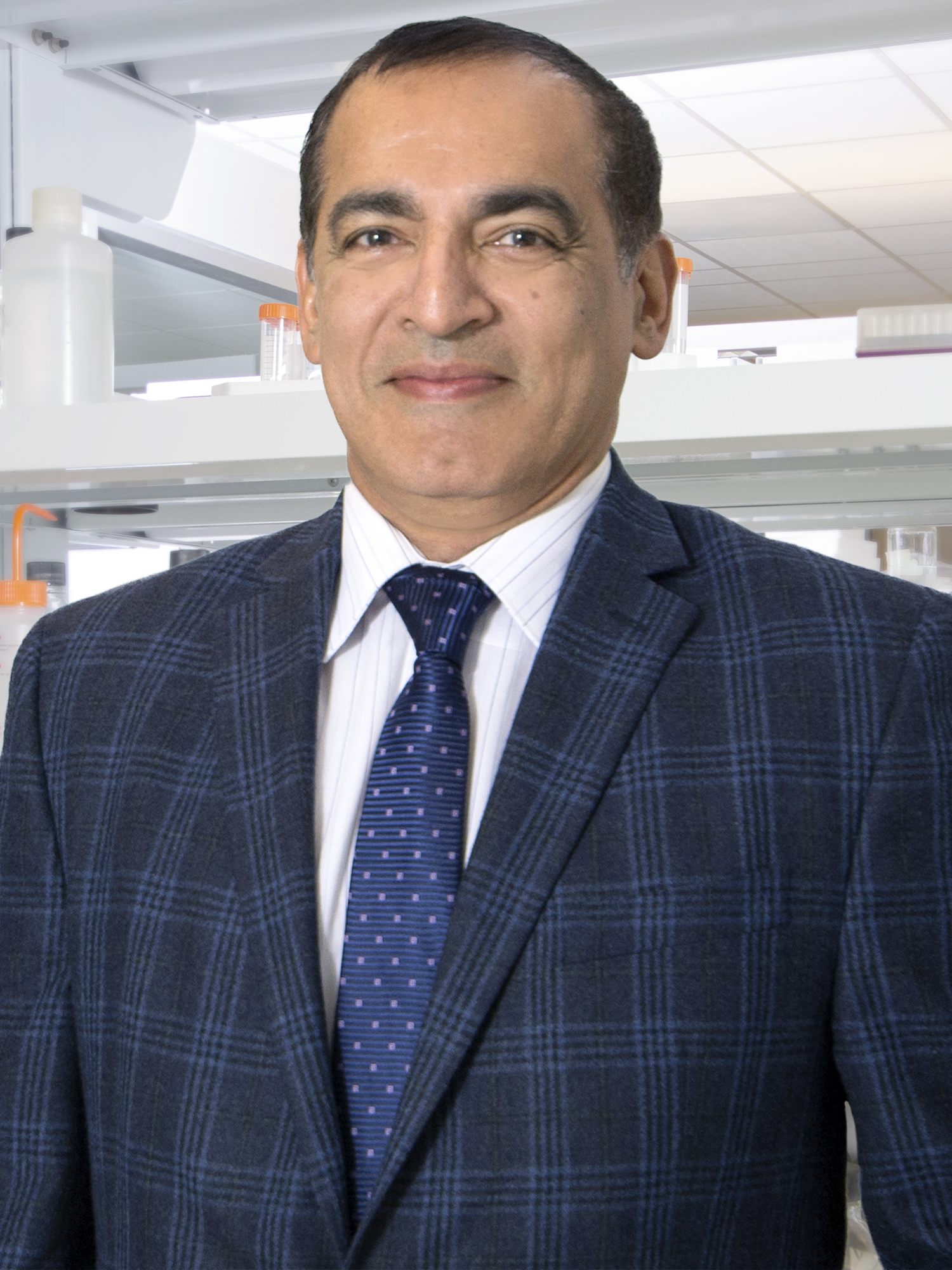
Dr. Sanjay Sethi, Professor of Medicine and assistant vice president for Health Sciences in the University at Buffalo Jacobs School of Medicine and Biomedical Sciences, is an internationally regarded pulmonologist with a primary clinical and research interest in Chronic Obstructive Pulmonary Disease (COPD). COPD is the third leading cause of death worldwide, and Dr. Sethi has been recognized as one of the top five COPD specialists since 2013 by Expertscape. Dr. Sethi examines whether new bacterial strains are causative of COPD exacerbations; the role of innate immunity; inflammation without infection; and important bacterial strains in the respiratory tract in acute exacerbations of COPD. His contributions have fundamentally altered our understanding of bacteria and the microbiomes role in COPD and had a profound impact on the treatment of COPD and respiratory infections. In 2020, Dr. Sethi received a SUNY Chancellor’s Award for Excellence in Scholarship and Creative Activities.

Dr. Adam Singer graduated from the Ben Gurion University and served as a medical officer for 5 years. He then completed an internship in surgery at Yale and a residency in emergency medicine at Stony Brook. He has been an attending physician in the Emergency Department at Stony Brook for over 3 decades. His main areas of research include burns, wounds, cardiovascular diseases, and biomarkers. He has over 450 publications and has won several national awards including the SAEM Young Investigator Award, the SAEM Excellence in Research Award, and the ACEP Outstanding Contribution in Research Award. He is the Editor-in-Chief for Clinical and Experimental Emergency Medicine. Dr. Singer has also received millions of dollars in research support from the NIH, DOD, BARDA and Industry.
Dr. Jacobus Johannes Maria Verbaarschot, Professor of Physics at Stony Brook University, is a world expert in theoretical nuclear physics. His research focuses on the development and application of random-matrix theory in quantum many-body systems and in quantum field theoretical models. Random matrix theory describes the fluctuation properties of both chaotic and complex quantum systems, with application to systems such as atomic nuclei, quantum dots, and resonant cavities. Dr. Verbaarschot derived the VWZ formula for cross-section fluctuations in the statistical theory of nuclear reactors. He also investigates non-perturbative Quantum Chromodynamics, the force that binds protons and neutrons in atomic nuclei. His work advances scientific understanding of the fundamental and profound role of gluons in binding nearly all visible matter in the universe into protons and neutrons. A fellow of the American Physical Society, he has held both the Max-Planck and the James H. Simons fellowships. Dr. Verbaarschot received a 2020 Chancellor’s Award for Excellence in Scholarship and Creative Activities.
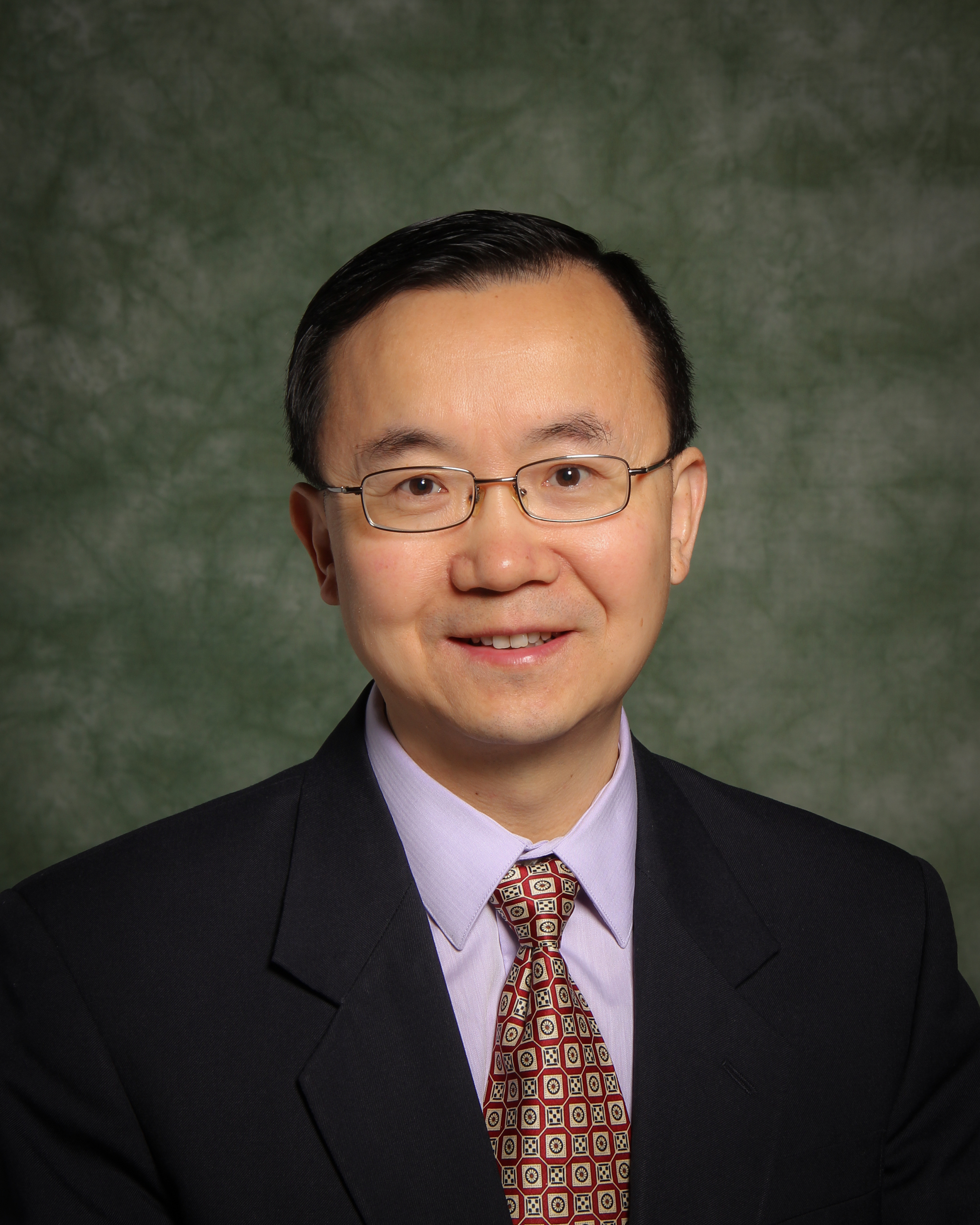
Dr. Lijun Yin, Professor in the Department of Computer Science and the founding director of the Center for Imaging, Acoustics, and Perception Science at Binghamton University, is a world-renowned researcher in computer vision and graphics. His work focuses on 3D/4D face and gesture modeling, facial expression understanding, and biometrics. The implications of his work extend from healthcare to behavior assessment and prediction, with applications in clinical and psychological assessments, criminology and safety assurance. His research has generated more than 10 influential benchmark datasets for facial expression recognition, emotion understanding, and deep fake detection. These datasets have been used by over 1,200 research groups across 50 countries and have been licensed to 950 users worldwide, including 38 industry research and development licenses. For these datasets, Dr. Yin received the 2019 Lois B. DeFleur Faculty Prize for Academic Achievement. He received the 2014 Chancellor's Award for Excellence in Scholarship and Creative Activities.
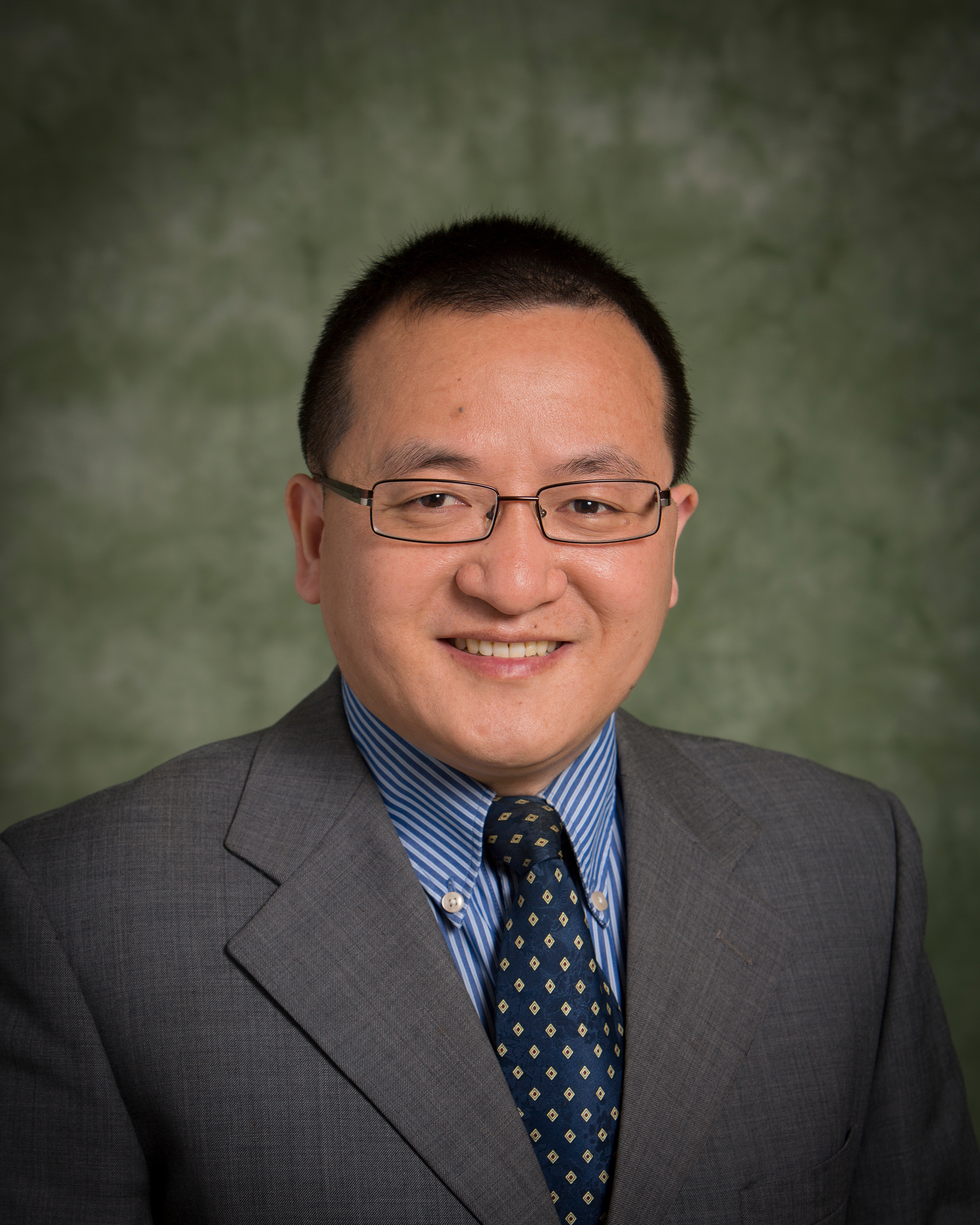
Dr. Guangwen Zhou, Professor and Deputy Director in the Materials Science and Engineering Program at Binghamton University, is an internationally recognized leader in materials science and engineering. His research addresses critical challenges in environmental sustainability, energy conversion and storage, and advanced synthesis and manufacturing. Known for its interdisciplinary approach, Dr. Zhou’s work integrates experimental surface and interface science, thermodynamics, kinetics, and atomistic modeling to tackle complex materials issues. Dr. Zhou is ranked among the top 2% of researchers in his field and has been a pioneering force in advancing multimodal in situ and operando techniques. His impactful contributions span a wide range of areas, including corrosion damage in critical infrastructure, green metal manufacturing, and fuel efficiency improvement. He received a 2011 National Science Foundation Career Award and a 2016 Chancellor’s Award for Excellence in Scholarship and Creative Activities.
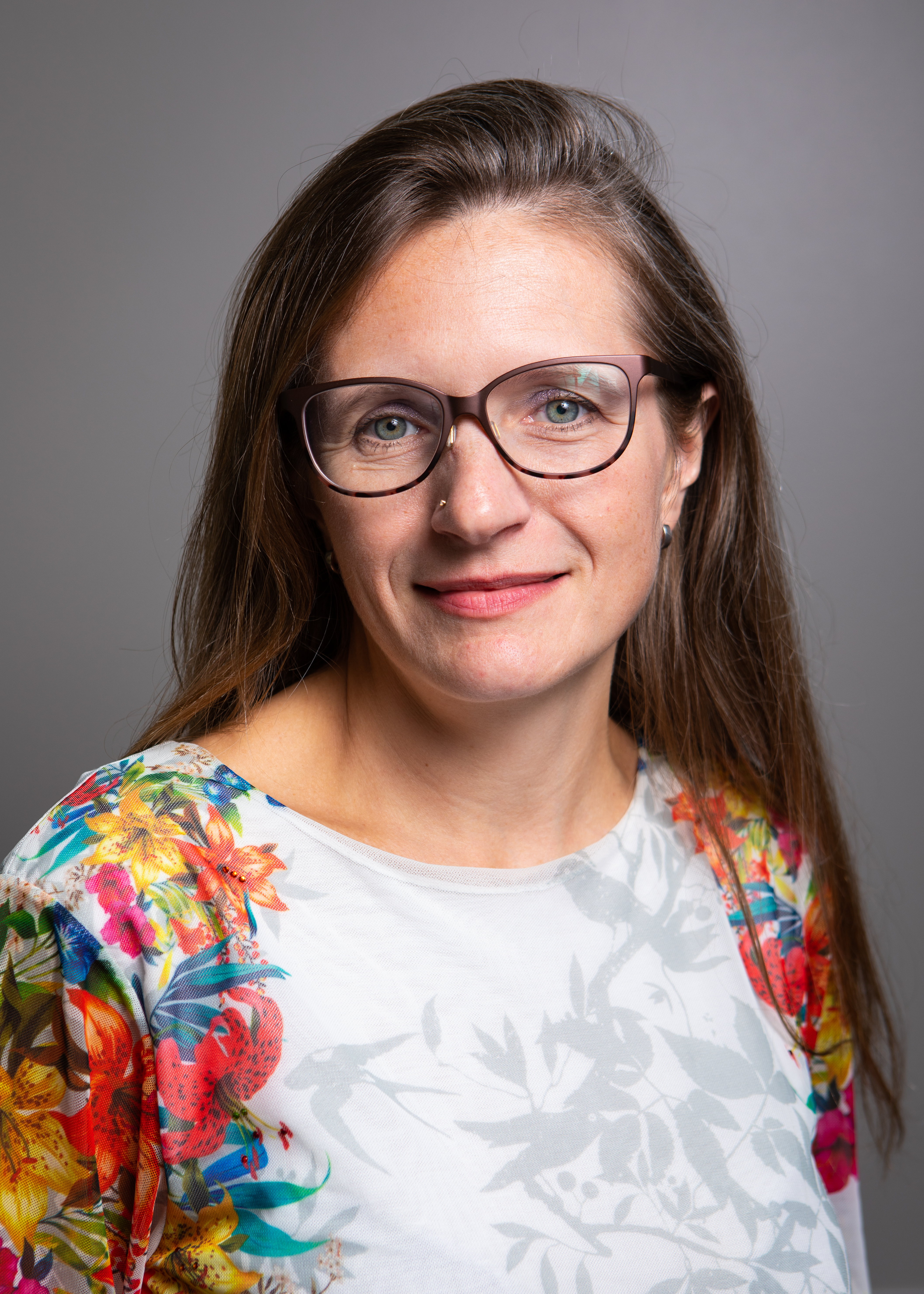
Dr. Eva Zurek, Professor of Chemistry at University at Buffalo, is a "star” in theoretical and computational materials chemistry. Existing at the intersection of theoretical physics, engineering, materials science, chemistry, earth science and life sciences, Dr. Zurek’s research is based on calculations of chemical and physical properties of molecules and materials. Her discoveries have been central to the computational design of new superconducting H-rich phases at high pressure. She designed and developed an open-source evolutionary algorithm for crystal structure prediction, which is widely used to predict new materials for use in novel technologies including superconductors, super-hard materials, and classes of nanomaterials. Her research also holds paradigm-shifting implications for understanding extreme environments in nature, from the depth of planets in the solar system to the new planets being discovered with potentially quite different compositions and chemistry. A Fellow of the American Physical Society, Dr. Zurek received a 2021 Chancelor’s Award for Excellence in Scholarship and Creative Activities.
The Distinguished Teaching Professorship recognizes and honors mastery of teaching for faculty members who have attained and held the rank of full professor for five years, have completed at least three years of full-time teaching on the nominating campus, 10 years of full-time teaching in the System, and must have regularly carried a full-time teaching load as defined by the campus.

Dr. Madeline Crocitto, Professor of Management at SUNY Old Westbury, has an international reputation for excellence in business teaching and research. A national leader in student-learning projects, Dr. Crocitto has been a campus innovator in developing online courses, incorporating service-learning community projects, and promoting writing intensive business courses. She uses case studies with executives from diverse organizations and diverse demographics to develop student’s critical thinking skills and promotes intercultural understanding through an international COIL (Collaborative Online International Learning) partnership in Mexico. All her classes engage students in multiple techniques to achieve student learning outcomes, including research, teamwork, and written and oral presentations. She has nine times received an Outstanding Reviewer award from various divisions of the Academy of Management. She received the Outstanding Educator Award from the International Division of the United States Association of Small Business and Entrepreneurship.
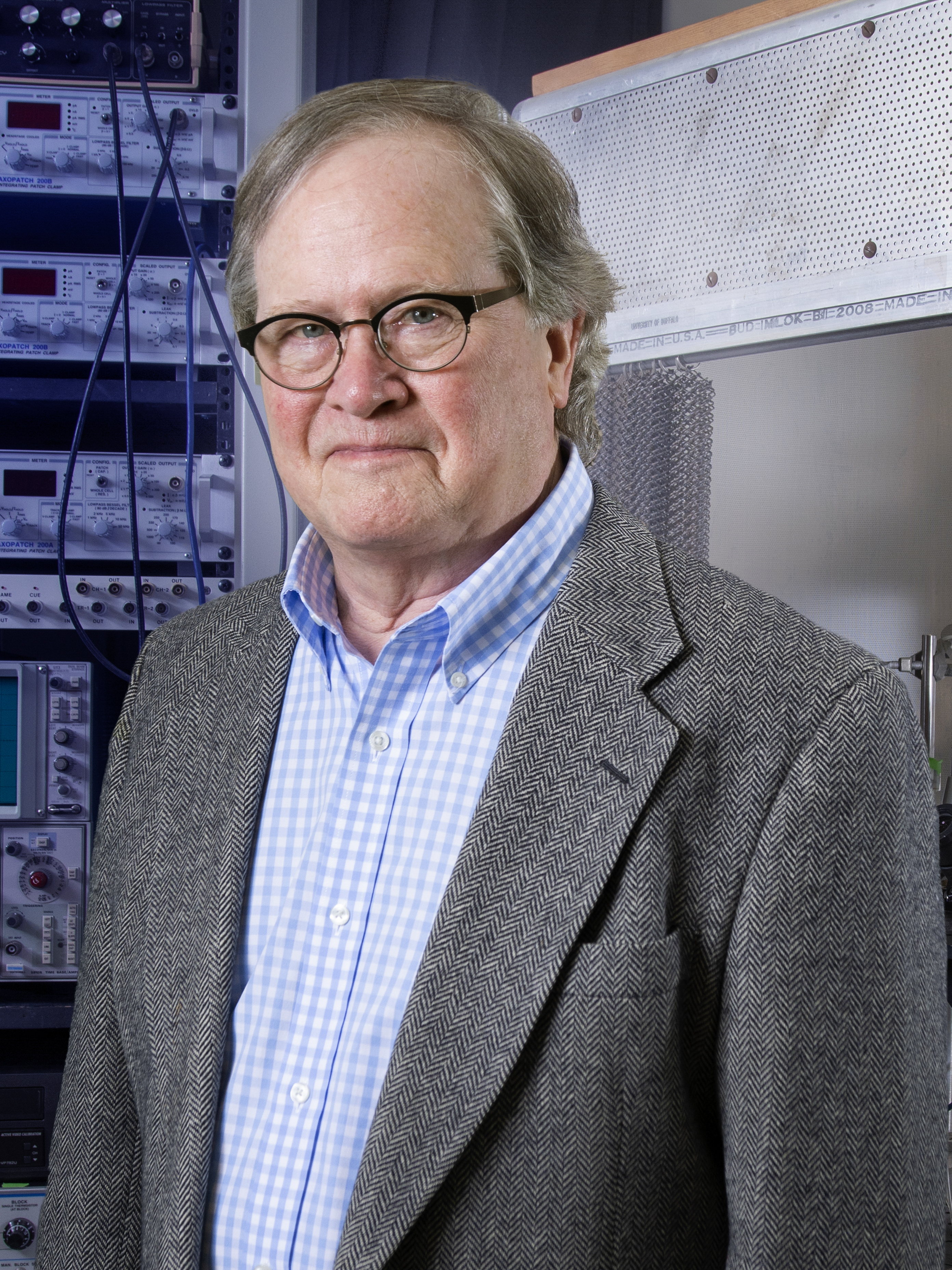
Dr. Michael E. Duffey, Professor of Physiology and Biophysics in the Jacobs School of Medicine and Biomedical Sciences at the University at Buffalo, has demonstrated excellence in teaching, curricular development, student mentoring, and academic scholarship. His extensive contributions to graduate and medical curricula include redesigning the medical school’s curriculum into an integrated curriculum with organ system-based modules for first- and second-year medical students. He developed and is module leader for the course “Gastrointestinal Systems,” which integrates metabolism, genetics, and nutrition in both health and disease. He co-founded the interdisciplinary graduate program in biomedical sciences, a revolutionary umbrella curriculum that unified six graduate basic science programs and which has served as a model for other institutions. As director for physiology graduate studies, he developed and revised the physiology and biophysics curriculum. Dr. Duffey received a 2019 Chancellor’s Award for Excellence in Teaching.
Dr. Charles N. Kroll, Professor of Environmental Resources Engineering at SUNY Environmental Science and Forestry, uses his research knowledge to create cutting edge and informative classes. Dr. Kroll introduces students to non-intuitive topics like probability theory and eigenvectors, as well as practical applications of statistics like water resources engineering. However, while this may be one of the hardest classes at ESF, for the concepts covered, pace of lecture, and the fact that Dr. Kroll is not one to hand out grades, students who are motivated in his class are surprised to find out that success is very much attainable because he gives ample amounts of his own time during office hours, after class, and over email, to help answer questions and troubleshoot code. Letters from current and former students highlight his commitment to both undergraduate and graduate students, and the positive impact Dr. Kroll has had on their intellectual growth.
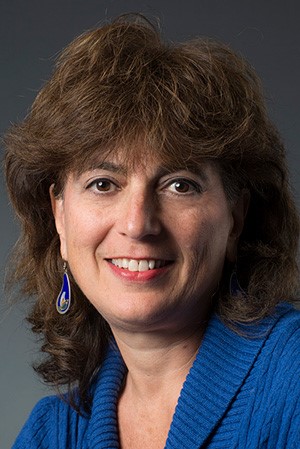
Dr. Marci Lobel, Professor of Psychology at Stony Brook University, according to her peer reviewers, is a “pedagogical star.” In addition to having taught approximately 13,000 undergraduates, she created the innovative Psychology Women’s Health course, which inspired similar courses at other institutions. The American Psychological Association—of which she is an elected fellow—has twice acknowledged her for excellence in mentoring. In 2010, she founded the Stony Brook Child Care Internship and serves as its faculty sponsor. She has mentored junior faculty in the College of Arts and Sciences in 1999. She founded and leads the Women in Science and Engineering (WISE) program. She has received 15 awards for teaching and mentoring, including her department’s Teacher of the Year award (4 times) and SBU’s student-nominated Godfrey Excellence in Teaching award (twice). Dr. Lobel received a 2020 Chancellor’s Award for Excellence in Teaching.
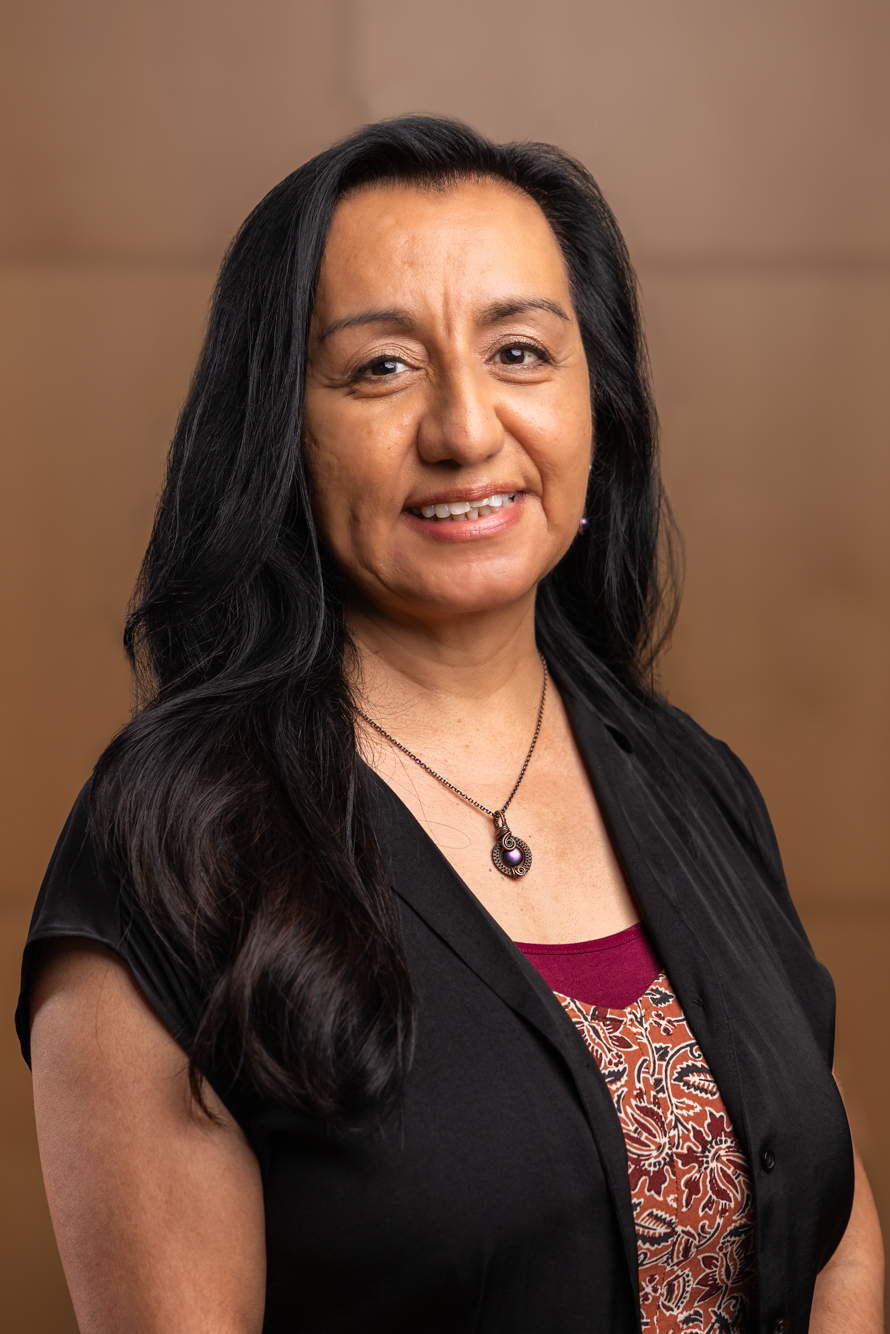
Dr. Monica E. Schneider, Professor of Psychology at the SUNY Geneseo, is a tireless advocate for students, both in and out of the classroom. She co-developed the Advancing Cultural Competency Certificate program to support diversity, equity, and inclusion. As principal investigator on a Bringing Theory into Practice grant from the American Association of Colleges and Universities, she studied student wellbeing in living-learning communities, and through her engagement on the President’s Commission on Diversity and Community she developed and implemented a comprehensive student campus climate survey. She has mentored over 200 undergraduate teaching interns and research assistants, including 7 McNair Scholars. In 2013 she was appointed to the Roemer-Lockhart Professorship, which recognizes and supports outstanding teaching; in 2017, she received the President’s Award for Excellence in Academic Advising. Dr. Schneider received a 2003 Chancellor’s Award for Excellence in Teaching.
The Distinguished Service Professorship honors and recognizes extraordinary service by candidates who have demonstrated substantial distinguished service not only at the campus and the State University, but also at the community, regional and State levels.
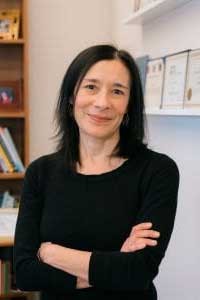
Dr. Joanne Davila, Professor of Psychology at Stony Brook University, is a dedicated psychologist and professor. She has advanced clinical psychology as a scientific discipline and in this work has foreground diversity, equity, and inclusion. She led the department’s clinical psychology graduate program for nine years and currently serves as chair. She twice chaired the College of Arts and Sciences (CAS) Promotion and Tenure Committee and was Speaker of the CAS Chairs Assembly. She served as Editor of one of the premier journals in clinical psychology; she served as President of the Society for the Science of Clinical Psychology and President of the Board of the Psychological Clinical Science Accreditation System, the accrediting body for science-based doctoral programs. A fellow of the American Psychological Association, the Association for Behavioral and Cognitive Therapies and the Association for Psychological Science. She received a 2018 Chancellors Award for Excellence in Faculty Service.
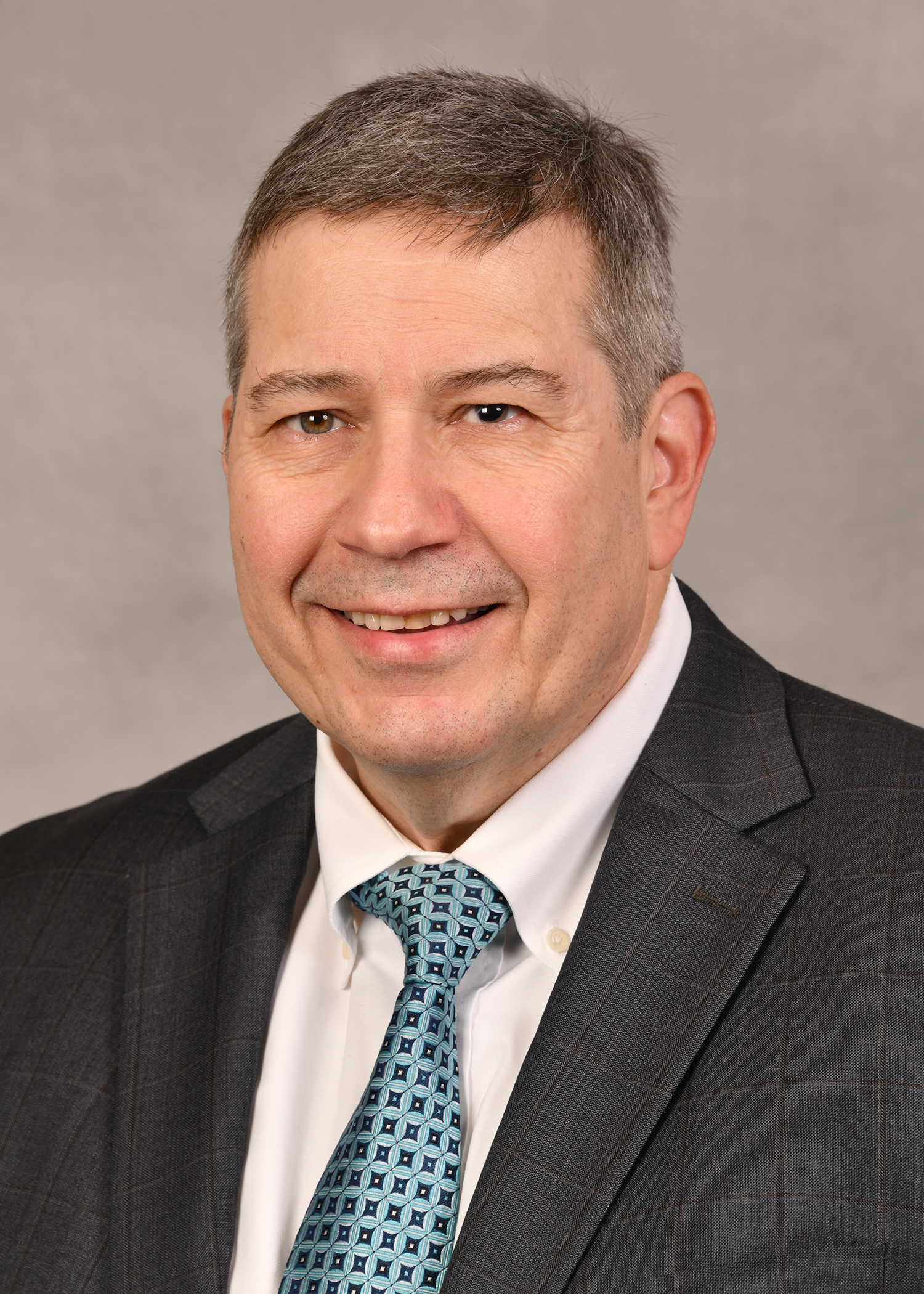
Dr. Roberto E. Izquierdo, Professor of Medicine and Pediatrics at Upstate Medical University, serves as Chief of Pediatric Endocrinology, Diabetes and Metabolism and Medical Director of the Pediatric Diabetes Program. Dr. Izquierdo expanded Upstate’s Pediatric Diabetes Program that now cares for over 1,600 children with diabetes across 20 counties in central and upstate New York. He serves as Medical Director of the Multidisciplinary Upstate Thyroid Center, the Thyroid Cancer Program, and the Newborn Screening Program for Congenital Hypothyroidism and Congenital Adrenal Hyperplasia. A pioneer in telemedicine, he was one of the first providers in the country to establish a school-based telemedicine program to improve access to and the quality of pediatric diabetes care. He serves on the New York State Department of Health Governor’s Initiative for Children with Diabetes Working Group and the Type 1 Diabetes Quality Improvement Collaborative. He received a Chancellor’s Award for Excellence in Faculty Service.
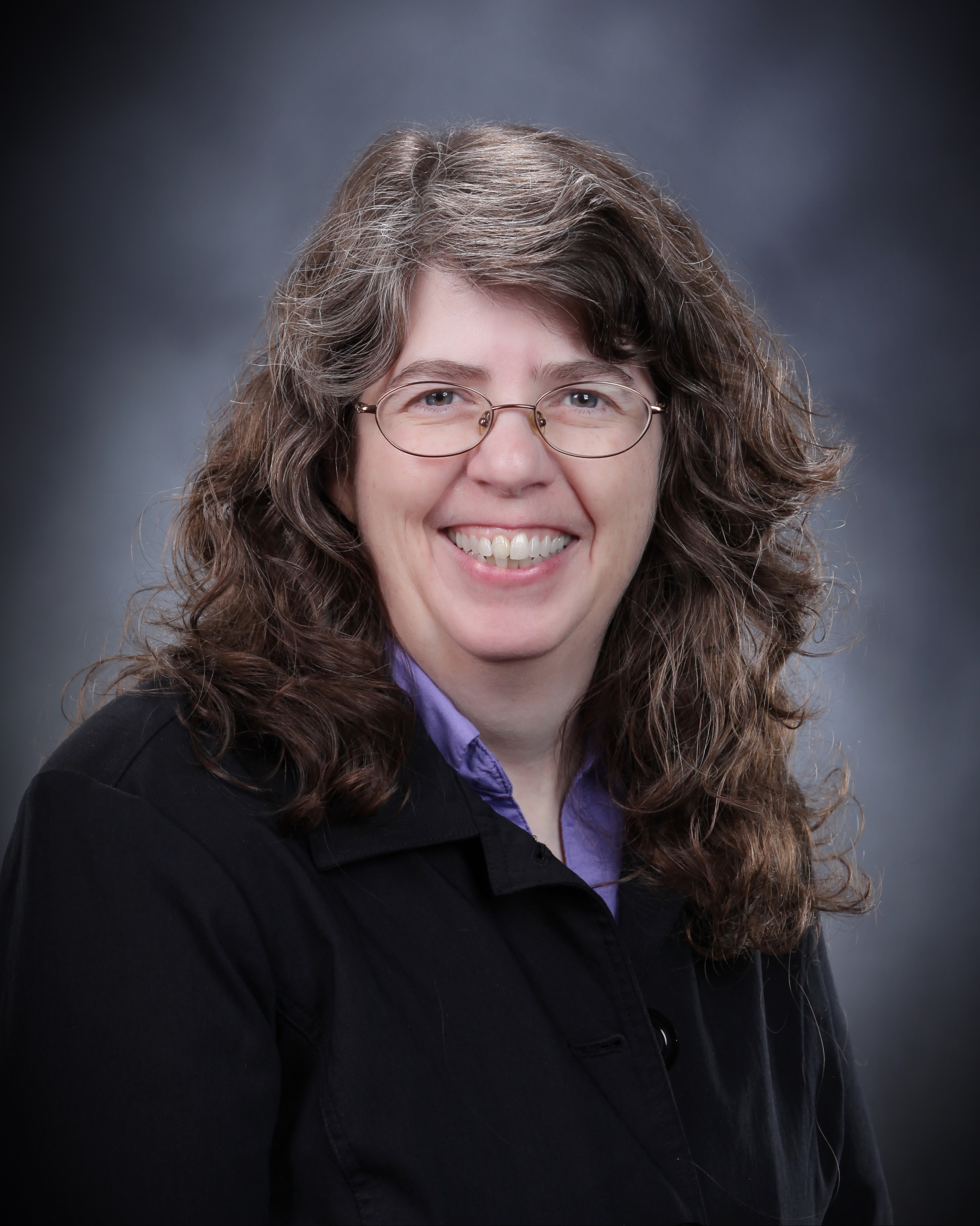
Dr. Elizabeth Shiner Klein, Professor of Childhood/Early Childhood Education at SUNY Cortland, has had a transformative impact on sustainability and environmental education. She teaches science education courses, leading more than 60 outdoor education experiences for pre-service teachers in the Adirondacks. She has provided over 100 presentations and teacher professional development workshops in STEM and environmental education, including on board U.S. Navy Oceanographic Survey ships. She is a longtime member of the Association for Science Teacher Education, including as a board member, serving as regional director and treasurer and co-chairing six Northeast Regional conferences. She has served many statewide sustainability organizations including co-chairing the 2017 State of New York Sustainability Conference. She is the recipient of the 2010 New York State Outdoor Education Association Leadership Award and the 2012 SUNY Cortland President’s Award for Funded Research. She received a 2016 SUNY Chancellor’s Award for Excellence in Faculty Service.
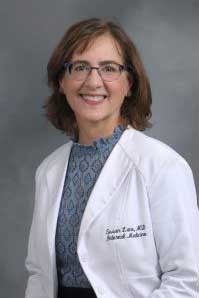
Dr. Susan W. Lane, Professor of Medicine and Vice Chair of Education and Director of the Internal Medicine Residency Program at the Renaissance School of Medicine of Stony Brook University, is an expert in medical education. She has dedicated her career to advancing the education of the next generation of physicians as a leader in innovation and health policy for graduate medical education (GME). During the COVID-19 pandemic, as President-elect of the Association of Program Directors in Internal Medicine, Dr. Lane provided testimony to the Accreditation Council for Graduate Medical Education to implement guardrails for future deployment of physicians in training. As Chair of the Alliance for Academic Internal Medicine (AAIM) Health Policy Committee, Dr. Lane helped to develop GME advocacy materials for the American College of Physicians, leading policy efforts to expand residency slots. Recently elected Vice Chair of the Board of Directors for the AAIM, she is a member of the Alpha Omega Alpha (AΩA) Medical Honor Society Board of Directors.

Dr. Lawrence Bernard Martin, Professor of Anthropology at Stony Brook University, has served higher education and international science for 30 years. At SBU he served six years as Director of International Programs, nine years as Dean of the Graduate School, and 11 years as Associate Provost. Since 2007, with Richard Leakey, he developed, built, and directed two field research stations in northern Kenya. His work at the Turkana Basin Institute (TBI) supports science education and research for over 100 Kenyan and international students in one of the world’s most remote and underserved areas. To date, scholars and students from almost 100 institutions and more than 25 countries have used the TBI facilities to facilitate research and education. He has also provided expertise in accreditation and assessment to the National Research Council, the Association of American Universities, and to the Middle States Commission on Higher Education.
Dr. Laszlo Mihaly, Professor of Physics at Stony Brook University, has offered robust service to his university and to his field. To his department, he served six years as graduate program director and another six as chair; and he also served as interim dean of the College of Arts and Sciences. As chair, he guided the astronomy section to significant growth and integration with other departmental groups in cosmology and astrophysics, and he launched research tracks in accelerator science and physics education. He currently serves as co-chair to SBU’s accreditation review steering committee. He has been elected a Fellow of the American Physical Society in 2006, the Hungarian Academy of Sciences in 2010, and the American Association for the Advancement of Science in 2013. He received a 2003 Award for Excellence in Teaching and a 2017 Award for Excellence in Faculty Service.
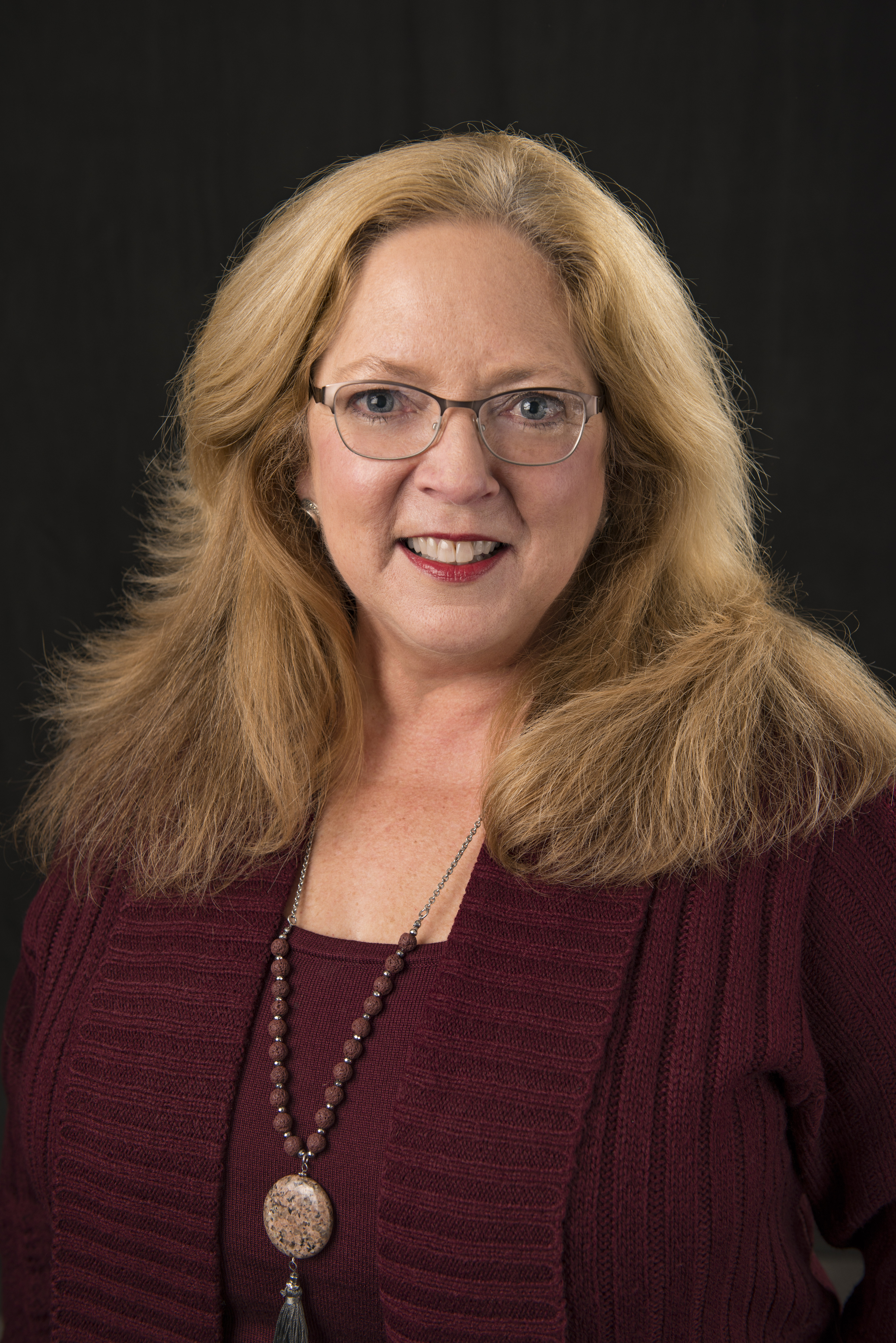
Dr. Kathleen Peterson, Professor of Nursing at SUNY Brockport, is known for her programmatic and curricular innovation in nursing education. For 5 years, she directed SUNY Brockport’s Hunter Institute on Young Children. As a member of the New York State Council of Deans and Chairs of Nursing, Dr. Peterson led the initiative to develop a policy brief on simulation and clinical hours in nursing education. Adapted by the New York Association of Nurse Administrators, it then passed in the NYS Senate. Since 2010 she has chaired the nursing department, leading a successful initiative to develop the Doctor of Nursing Practice, the first doctoral program at any comprehensive institution. A National League for Nursing Certified Nurse Educator, she serves on the advisory board for the nursing departments at Finger Lakes, Genesee, and Monroe Community Colleges. She received a 1998 Chancellor’s Award for Excellence in Teaching.
The Distinguished Librarian Professorship recognizes librarians whose contributions have been transformational in creating a new information environment by providing access to information, sharing or networking information resources, and fostering information literacy.

Professor Elizabeth G. Adelman, director of the Charles B. Sears Law Library and vice dean for legal information services in the School of Law at the University at Buffalo, has reshaped the landscape of legal resources available to scholars and field practitioners. Author of multiple books, including New York Legal Research, now in its 4th edition, Professor Adelman currently serves as immediate past president of the American Association of Law Libraries, after more than twenty years of robust service to that organization. To provide access to information and foster information literacy, Professor Adelman helped develop the award-winning New York Codes, Rules, and Regulations Digital Archive, which digitizes and makes available historical regulatory documents. In addition, she spearheaded the development of an open-access research repository that has registered more than 700,000 downloads. Peer reviewers refer to her as a “visionary” and praise “her ability to bring together those with diverse backgrounds.” She is “without question, one of the most engaged and influential law librarians in the country.” Prof. Adelman received a 2011 Chancellor’s Award for Excellence in Librarianship.