

The 2026 SUNY Graduate Research Empowering and Accelerating Talent (GREAT) Award recognizes 41 exceptional graduate students from across the SUNY system. Each recipient receives $7,500 in flexible research funding from the SUNY Office of Research, Innovation and Economic Development to support their research and professional development. All GREAT Award recipients have earned highly competitive recognition from leading national and international research agencies, including the National Science Foundation, the National Institutes of Health, and the National Aeronautics and Space Administration.
|
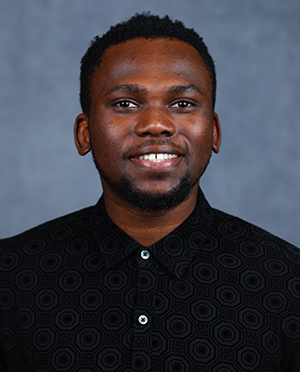
Festus AdegbolaUniversity at BuffaloRemote Sensing for Conservation: Linking Habitat Functional Diversity with Avian Species Richness |
|
My research uses airborne LiDAR, imaging spectroscopy, and species occurrence data to understand how fine-scale habitat structure and functional traits shape bird diversity across landscapes. By integrating remote sensing with ecological modelling, the work moves beyond coarse land-cover maps to reveal how habitat complexity influences biodiversity patterns. This research improves biodiversity monitoring and conservation planning by translating advanced Earth observation data into actionable ecological indicators. |
|
|
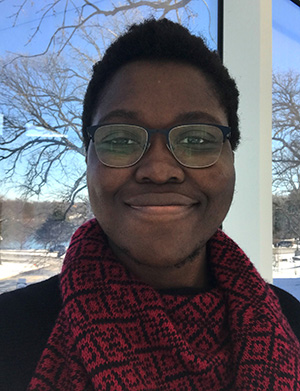
Adwoa Ampiah-BonneyUniversity at BuffaloPsychology (Cognitive Psychology) |
|
My research examines how people perceive and produce acoustic patterns across cultural groups, with a focus on pitch perception and production in music and language. I use behavioral experiments and acoustic analysis to investigate how vocal production is shaped by musical and linguistic background, as well as by familiarity. In related work, I study how musical environments influence social behavior and identity in cultural contexts, framing music as a social signal. This research contributes to more inclusive models of music cognition that consider how auditory perception is shaped by social and cultural context. |
|
|
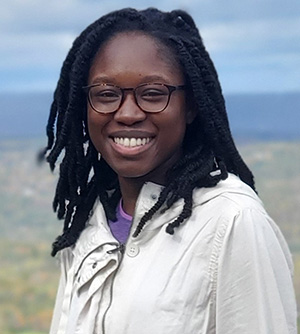
Annabelle ArmahUniversity at AlbanyPsychology |
|
A large body of literature has demonstrated that parent-infant interactions are critical to the development of regulatory and socioemotional skills across childhood. Postpartum depression may disrupt parent-infant interactions across behavioral and biological levels. However, despite significant racial disparities in perinatal mental health, Black birthing parents and infants are underrepresented in this area of research. To address this gap, my work aims to understand the relations between postpartum depression and Black parent and infant stress biology during interactions, as well as culturally salient processes that may modify the effects of postpartum depression. Ultimately, this work could inform the development of culturally informed prevention and intervention in the postpartum period. |
|

|
Margaret Azu-NarcisseUniversity at BuffaloPsychology - Developmental Psychology |
|
My research centers on emotion socialization in early childhood. While prior research has focused on how parents socialize their children's emotions, little work has examined the role of other socializers, such as peers, especially in early childhood. My work aims to better understand the ways in which preschool children respond to their peers' emotions in the classroom and how these responses relate to children's social, emotional, and behavioral development. I hope this work will illuminate the important role of peers as emotion socialization agents. Furthermore, it has the potential to inform interventions that promote more effective emotion socialization practices and ultimately facilitate healthy development. |
|
|
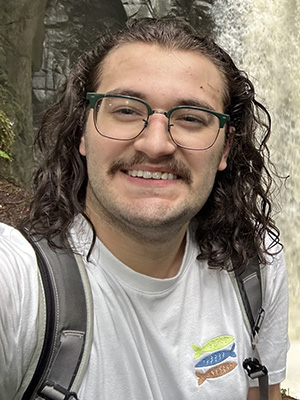
Caleb BuergerUniversity at BuffaloInvestigating the role of peripheral nerve damage in chronic Toxoplasma infection |
|
Infection by the parasite Toxoplasma gondii results in loss of motor function in mice, hypothesized to increase predation by the parasite's definitive host, feline species, and thus allow the parasite to return to the sexual phase of its life cycle. This proposal seeks to understand the role of the peripheral nervous system in this loss of motor function, and the host-parasite interactions determining T. gondii tropism and subsequent pathology. The findings from this work will provide valuable insight into understanding the mechanisms underlying the functional loss which contributes to the passage of this highly successful parasite. |
|
|
Roheyatou CeesayStony Brook UniversityGeosciences - Geochronology |
|
My research focuses on understanding how landscapes change over time and how those changes shape human history. I use geological dating methods and remote sensing tools to build timelines for archaeological sites, particularly in West and East Africa. I am especially interested in dating both very young and very old sediments with the goal of extending the limits and reliability of luminescence dating methods. Through this work, I aim to better connect environmental change with patterns of human activity and preservation in the archaeological record, and to provide tools that can be applied to archaeological sites worldwide. |
|

|
Noah ChavezStony Brook UniversityPhysics |
|
My research aims to uncover how gluons, the particles that bind quarks together, shape the internal structure of the proton and other nucleons. Using large scale lattice QCD simulations, advanced statistical methods, and machine learning, my work will develop new tools to study how gluons contribute to the mass, spin, and three-dimensional structure of matter. This research directly supports the science goals of the future Electron Ion Collider (EIC) at Brookhaven National Laboratory by providing first principles theoretical predictions for the gluonic structure of nuclei. In addition to advancing nuclear physics, the project will create computational methods and training opportunities that prepare students for data intensive research in physics and beyond. |
|
|
Emma ColemanCollege of Environmental Science and ForestryChemistry, Environmental Chemistry |
|
I study the photodegradation of organic ultraviolet filters (OUVFs) which are a class of emerging environmental contaminants. These UV absorbing compounds are used in sunscreens and other personal care, commercial, and industrial products to protect against damage from short-wave solar radiation. The environmental fate of OUVFs and their impact on organism health is not well understood. In my research, I use model compounds to gain some insight into the complex photodegradation of OUVFs in various aquatic environments. A better understanding of OUVF photodegradation is important for determining their effect on aquatic ecosystems. |
|

|
Peter FioricaUniversity at BuffaloGenetic and Ancestral Determinants of Pathological and Molecular Tumor Immune Phenotypes in A Multi-Ethnic Population of Breast Cancer Patients: An Evolutionary Perspective |
|
(1) Women of African ancestry (AA) experience 40% higher breast cancer mortality than women of European ancestry, partially due to higher incidence of aggressive breast cancer subtypes. We hypothesize that genetic selection and adaptation to distinct local pathogenic environments during the evolution of diverse human populations from thousands of years ago have led to ancestral differences in host immunity, which contribute to breast cancer disparities through disrupted immune response. Recent genome-wide association studies have shown that the immune response in the TME is shaped significantly by germline genetics; however, all these studies were performed primarily in EA populations. There is a need to conduct research to examine immunogenomic factors that shape the tumor microenvironment (TME) in patients of diverse ancestral backgrounds to better understand the causes of breast cancer disparities. Here, we leveraged a rich body of genetic, pathological, and transcriptomic data from 4,728 women with breast cancer in the context of three large studies with diverse populations. We examined the role of germline genetics and ancestry in the inflammatory state of the TME through a cross-ancestry comparison of inferred immune cell composition, immune gene expression, and quantitative trait loci with tumor RNA-seq and matched genotype data from > 1300 women of AA and EA. (2) These findings advance our understanding of the multifaceted mechanisms of cancer health disparities from a novel perspective of ancestry and tumor immunity and may inform clinical investigations of immunotherapy focusing on breast cancer in AA women. |
|
|
Derek FucichStony Brook UniversityLife Sciences - Ecology |
|
I am interested in the pathways through which wildlife is susceptible to and buffers against the costs of urbanization. My dissertation work focuses on two common NY gull species and how both genetic and epigenetic variation interact with prey choice to result in disparate physiological outcomes. After my dissertation, I look forward to expanding the scope of my work to encompass additional species and physiological feedbacks. The knowledge that I hope to find hidden among the species ubiquitous in our urban settings can reveal which species are most susceptible to extinction as urban centers continue to expand. Furthermore, the strategies that the most resilient species are using may have the potential to be replicated by humanity so that we too can more effectively fend off urbanization's costs. |
|

|
Kelly GairBinghamton UniversityPsychology - Developmental Psychology |
|
My research examines risk for depression in childhood and adolescence by studying how digital media use, peer experiences, and family risk factors, including maternal depression, shape brain systems involved in attention, emotion, and reward processing. Using methods such as EEG, eye-tracking, and real-time assessments of daily life, I investigate how these social and digital environments influence developing neural responses before depressive symptoms become clinically apparent. By identifying early brain and behavioral markers of vulnerability, this work aims to improve early detection and prevention of depression, inform evidence-based guidance around youth digital media use, and support healthier emotional development during critical stages of development. |
|
|
Julianna GeroldStony Brook UniversityPsychology - Social Psychology |
|
My research examines cognitive and neural vulnerability to financial exploitation in older adults. Using experimentally controlled, task-based simulations that model real-world scam scenarios, I assess how cognitive, emotional, and social decision-making processes influence risk or resilience in later life. By integrating behavioral performance with neuroimaging, this work establishes a comprehensive framework for identifying behavioral and neural risk and protective factors for financial exploitation in aging populations. Ultimately, the findings will inform early identification and targeted interventions to help older adults maintain financial autonomy, reduce economic harm, and promote well-being in an aging society. |
|
|
Brian GulickStony Brook UniversityGeosciences - Geophysics |
|
I am in the Mineral Physics Institute where we research the high pressure elastic properties of Earth's mantle minerals as well as metals relevant to the National Nuclear Security Agency's stockpile stewardship program. We seek to understand how deformation under extreme pressures and temperatures changes a material's properties, whether that is to determine how fast earthquakes propagate through Earth's deep interior or how metals deform under extreme conditions relevant to the nuclear stockpile. Recently, we have been focusing on so-called 'critical minerals' to discover potentially new useful properties for advanced materials. I hope to discover useful material properties to develop new technologies as well as maintain the safety and reliability of stockpile materials. |
|

|
Caitlin JamesUniversity at Buffalo |
|
For decades, animals in biomedical research have yielded significant scientific and medical breakthroughs by generating the essential preclinical data that ultimately support the discovery and development of treatments for human diseases, including cancer. However, while we to rely on animal models to investigate the complexity of cancer and cancer therapies, these preclinical studies have alarmingly low success in reproducibility, and even lower preclinical-to-clinical success rates. As per the Guide for the Care and Use of Laboratory Animals 8th Edition, research institutions have standardized, minimum guidelines for the housing, husbandry, and overall care for laboratory animals that they must adhere to. A mildly cool ambient temperature is a critical aspect of animal housing that has been shown to elicit significant physiological changes to research rodents, driven by the activation of the sympathetic nervous system and increased βadrenergic receptor (β-AR) signaling as a result of the systemic release of norepinephrine. This is due to the compensatory response, known as non-shivering thermogenesis, employed by rodents housed at temperatures that fall below their thermoneutral zone (which is the range of ambient temperatures at which heat generated by basal metabolism is sufficient for maintaining homeostatic core temperature.) Our lab has previously established that standard (ST), subthermoneutral laboratory housing temperatures result in significant impairment to the murine CD8+ T cell-dependent anti-tumor immune response compared to mice house at thermoneutral temperatures (TT). Additionally, we have shown that the immune checkpoint inhibitor αPD-1, an immunotherapy that has recently seen success as a front-line approach to treating cancers like melanoma, has improved efficacy in treating tumor-bearing mice housed at TT in a β-AR-dependent manor. Although published and preliminary data indicate a role for the co-receptor, CD28, in the diminished anti-tumor function of CD8+ T cells as a result of increased β-AR signaling, a gap exists in our understanding of the mechanisms underlying the reduced CD8+ T cell activation and effector function in mice housed at ST. Therefore, we propose using genetically engineered mouse models to precisely interrogate CD28 signaling and test hypothesis that standard housing temperatures impairs CD8+ T cell anti-tumor immunity and the in vivo efficacy of αPD-1 via impaired CD28 co-stimulation. We will use in vitro and in vivo approaches to examine the effects of housing temperature on CD8+ T cell CD28 expression and signaling, as well as tumor-infiltrating lymphocytes in mice treated with αPD-1 therapy. The studies outline in this proposal have the potential to identify a previously undefined mechanism by which subthermoneutral laboratory animal housing temperatures influence experimental outcomes of cancer and immunotherapy models, while also characterizing a widely underappreciated variable that exists in our animal models. |
|
|
Susanna KeiligUniversity at BuffaloLife Sciences - Ecology |
|
The Great Lakes have been an epicenter of negative anthropogenic impacts, including overharvesting, habitat degradation, and invasive species introductions. These stressors can be synergistic and have led to the collapse of several native fish species, including the apex predator, lake trout (Salvelinus namaycush). Specifically, lake trout were extirpated from Lake Erie around 1965. Despite extensive reintroduction efforts and confirmation of wild reproduction, a self-sustaining population has not been reestablished. My dissertation research seeks to identify population bottlenecks at the spawning stage that may be preventing lake trout recovery. To achieve this, we are using a multi-scale, data-driven approach to characterize lake trout spawning behavior and habitat and provide a lakewide evaluation of potential lake trout spawning sites. Not only will this aid in our understanding of whether spawning-stage bottlenecks are occurring, but it will also directly contribute to adaptive and ecosystem-based management strategies, such as spawning habitat enhancement and stocking parameter adjustments. Ultimately, this work will support the rehabilitation of lake trout in Lake Erie and the future conservation of this previously extirpated top predator. |
|
|
Michael A. KimStony Brook UniversityMarine Atmospheric Sustainability (Life Sciences - Ecology) |
|
My research aims to determine the effects of anthropogenic noise pollution on the behavior of large marine predators. Alongside my monitoring of sound produced by marine vessel traffic and coastal construction (such as the planned offshore wind projects on the North Atlantic coast), I will be investigating the acoustic ecology of Atlantic sharks and any changes in their feeding and migration patterns. The behavior of top predators like these often has a profound effect on the marine ecosystems they play out in, and behavioral shifts in response to human activity is relatively understudied. I hope my work can inform more sustainable interactions between human infrastructure and marine life, especially as we move toward a more connected global economy and alternative energy solutions. |
|
|
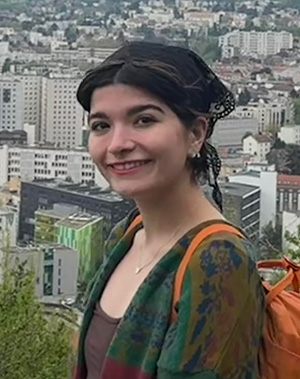
Gretl KingBinghamton UniversityGeosciences - Paleoceanography |
|
I'm a micropaleontologist studying the incredibly tiny, but very diverse and abundant, fossils of marine plankton called foraminifera. These foraminifera been preserved on the seafloor for millions of years, so I rely on sediment cores drilled from the bottom of the ocean by the International Ocean Discovery Program (IODP). As they precipitate their shells from seawater, foraminifera provide very precise records of what ocean conditions were like when they were alive, which I can use to reconstruct a history of climate change. I combine these expansive datasets of paleontological data including foraminifera sizes, species diversity, and ocean conditions, with modern ecological modeling methods in order to better understand how climate change impacts evolution in our ocean ecosystems. |
|
|
Sara Sky LombardoUniversity at AlbanyMicrobial and Chemical Composition of Summer Clouds at Whiteface Mountain, with a Focus on Wildfire Smoke and Health Impacts |
|
Whiteface Mountain (WFM) in northern NY State is the site of a historic mountaintop atmospheric observatory with an ongoing cloudwater chemistry monitoring program that has been operating every summer since 1994. Though long-term chemical analysis has been conducted, there has been no microbial analysis conducted at WFM. This project will bridge the gap at WFM by studying both cloudwater and cloudwater filters chemically and microbially respectively. Ion chromatography, pH and conductivity probes, and water-soluble organic carbon analyzer will be employed for chemical analysis. Concurrently, 16S DNA sequencing will be utilized for microbial analysis. In the process, smoke-influence of samples will be highlighted using NASA FIRMS and Worldview data. Cloud microbes will also be identified as possible pathogens to better understand how they could influence human health. In all, this project aims to add to the growing field of aerobiology by establishing microbial research at Whiteface Mountain, examining links between chemical and microbial content of clouds, as well as highlighting wildfire effects on and health impacts of microbes in clouds. This will add to NASA's mission to Holistically Observe, Monitor, and Understand the Earth System through providing scientific breakthroughs to better understand Earth as microbiology at WFM has yet to be studied and studies connecting cloud microbiology and chemistry are limited. The impact will be a broader understanding of microbe transport, response to wildfire and storms, as well as possible health impacts. |
|
|
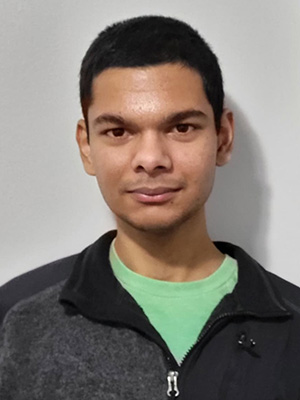
Aniruddha MadhavaStony Brook UniversityMathematics |
|
The existence and formation of black holes is one of the hallmark predictions of Einstein's Theory of General Relativity (GR), which now stands as the presumptive fundamental theory of gravitation. While the astrophysical study of gravitational collapse, singularities, and black holes in GR is not new, the topic teems with many exciting unanswered mathematical questions about the products of collapse and their stability - questions that could fundamentally overhaul our understanding of the universe. These questions are particularly well-defined through the lens of partial differential equations (PDEs) and differential geometry, and primarily revolve around the study of Einstein's Field Equations. In particular, one important question concerns itself with the completeness of future null infinity for generic, regular, initial data for the Einstein Field Equations. In 1969, Sir Roger Penrose formulated the Weak Cosmic Censorship (WCC) conjecture, which asserts that the future null infinity for such data is complete, implying that singularities must be hidden from distant observers by the event horizon of a black hole. Although the general proof of the conjecture is unlikely to be realized in the short term, investigations of the WCC for specific matter models under spherical symmetry can pave the path toward a complete resolution. Through my research, I will be investigating related problems in the theory of hyperbolic PDEs and mathematical analysis, and develop the tools needed to study the WCC for the spherically symmetric Einstein-Maxwell-Klein-Gordon matter model. |
|

|
Ashley McDougallUniversity at BuffaloLife Sciences - Biochemistry |
|
My research is focused on deoxynucleotide triphosphates (dNTPs), which are the building blocks of DNA. During DNA replication, cells must maintain proper dNTP levels. Decreased dNTP pools lead to replication fork stalling, whereas elevated dNTP pools increase fork progression rate, leading to rapid, error-prone DNA synthesis. dNTP levels are controlled by ribonucleotide reductase (RNR), which is highly conserved across eukaryotes. In humans, mutations to RNR's catalytic subunit (RRM1) have been identified in tumor samples, and elevated dNTP levels have been observed in cancer cell lines. In S. cerevisiae, point mutations in the activity and specificity sites of RRM1's homolog (Rnr1) result in defined dNTP pools alterations, allowing us to use rnr1 mutants as a genetic tool to study altered dNTP pools and identify unique mutation profiles. Utilizing deep sequencing approaches in S. cerevisiae, we aim to provide mechanistic insight into how defined elevated/skewed dNTP pools compromise lagging strand replication and replisome stability. By bettering our mechanistic understanding, we will gain insight into key pathways and proteins that are essential under these replication stress conditions, providing the opportunity to exploit these findings when identifying chemotherapeutic targets. |
|
|
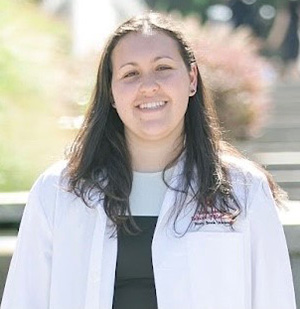
Erica NebetStony Brook UniversityNMDA receptors in neurodevelopment and seizure pathogenesis |
|
Neurodevelopmental disorders, including epilepsy and seizure disorders, are one of the most common di-agnoses in pediatric patients. Often, genes implicated in these disorders encode proteins that play a role in both neurodevelopment and synaptic transmission. However, whether disease pathologies arise due to a neurodevelopmental change, a change in synaptic signaling, or both is generally unknown. NMDA recep-tors (NMDARs) are glutamate-gated ion channels that contribute to neurodevelopment in addition to their classical role in excitatory neurotransmission. Neurodevelopmental disorders, including seizure disorders, are common in patients with disease-associated variants (DAVs) in the GRIN genes that encode NMDAR subunits. Indeed, patients with DAVs in GRIN1, encoding the obligatory GluN1 subunit, and GRIN2A, en-coding GluN2A, often present with seizures. Notably, previous work from the Wollmuth and Sirotkin Labs has shown that the absence of NMDARs leads to decreased expression of the Cl- transporter KCC2, a marker of neuronal maturation necessary for inhibitory GABAergic signaling. Likewise, in a rodent model, the absence of Grin2a coincides with delayed maturation of GABAergic interneurons, suggesting a neuro-developmental role that may be specific to GluN2A-containg NMDARs. Based on these observations, my central hypothesis is that the loss-of-function of GRIN1 or GRIN2A alters neurotypical brain activity, leading to a pro-excitatory state, due to a putative delay in neuronal maturation. This work will provide new insights into NMDAR-associated seizure activity and potential therapeutic targets for the treatment of seizures in pediatric patients. |
|
|
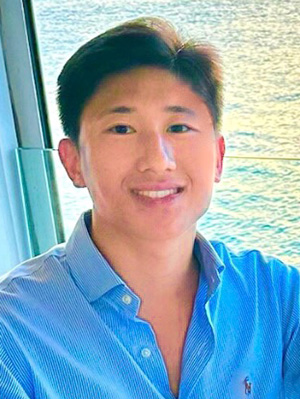
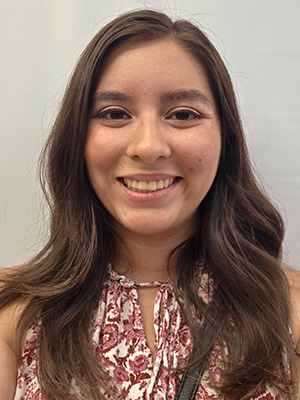
Justin NhanUniversity at AlbanyNanoscale Science and Engineering |
|
Justin Nhan’s Ph.D. research pioneers an uncharted area in Extreme UltraViolet (EUV) lithography, the next-generation patterning technology that enables the world’s most advanced computer chips. The semiconductor industry has discovered that certain photoresist-underlayer pairings can dramatically enhance a photoresist’s patterning performance, enabling more powerful computer chips at a fraction of the cost. However, the mechanisms behind this phenomenon remain poorly understood. To address this gap, his research takes a comprehensive approach by studying three interrelated aspects of EUV lithography: interdiffusion between photoresists and underlayers, secondary electron emission from underlayers, and how these effects collectively influence a photoresist’s patterning performance. His work establishes a framework for the industry to harness these interactions to design better-performing photoresist-underlayer systems. The impact of this research is a deeper scientific foundation for EUV lithography materials, enabling faster optimization, reduced manufacturing costs, and continued scaling of semiconductor technologies that power future computing, artificial intelligence, and data-driven innovations. |
|
|
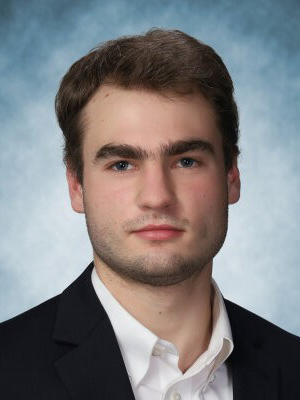
Cassidy OchoaUniversity at AlbanyGeosciences - Climate and Large-Scale Atmospheric Dynamics |
|
Originating from the Andes Mountains 8,000-9,000 years ago, the potato (solanum tuberosum) is a culturally significant crop throughout South America and beyond, relied upon for food and trade. However, global warming trends threaten to alter circulation patterns, moisture transport, and the frequency of rainfall throughout the South American Andes. While the Peruvian Altiplano is expected to change drastically in precipitation frequency and intensity as climate change ensues, there have been few investigations into extreme precipitation impacts on local regions and crops, such as native potato varieties. My research aims to launch a comprehensive review of extreme events such as droughts of the past for the northern and southern regions of the Peruvian Altiplano, and to look at the impacts of these events on crop yields for the potato and other significant local crops. To do this, I will work with significant high resolution climate models such as the Weather and Research Forecasting South America Affinity Group Model (WRF-SAAG) alongside the crop model AquaCrop. If time permits, I also aim to examine climate projections for these regions, and to pinpoint crop yield changes based on future carbon emissions and adaptation. Ultimately, I hope my research helps to better understand and identify the formation of drought events, how it impacts commercial/local potato varieties, as well as how potato and other crop varieties may change in the future. |
|
|
Thomas O'NeillStony Brook UniversityMathematical Sciences - Applied Mathematics |
|
My research focuses on developing methods for optimizing risk-sensitive decision-making. Specifically, I study finite-horizon Markov decision processes under the Conditional Value-at-Risk (CVaR) criterion, which captures the behavior of worst-case outcomes rather than average performance. The expected impact of this research is to enable safer and more reliable decision-making in high-stakes applications where rare but catastrophic outcomes dominate risk, such as autonomous systems, supply chain management, healthcare planning, and financial regulation. Incorporating CVaR into sequential decision models allows planners to control downside risk while maintaining long-term performance. Additionally, this work contributes to risk-aware artificial intelligence, helping ensure that automated decision systems align with societal priorities of safety and responsible deployment. |
|

|
Grace PearseBinghamton UniversitySocial Sciences - Cultural Anthropology |
|
My research focuses on the applications of Critical Disability Theory to the field of anthropology by exploring the biosocial construction of the disabled identity. Though my work in highland Peru, I hope to gain a better understanding of how the body and it's many forms are understood within indigenous ontologies, and deepen my understanding of how people around the world come to understand their bodies and themselves. It is my most sincere hope that my research will one day be used to educate others on the history of disability as a social category, and help in some small way in the ongoing struggle for disability justice both in the US and beyond. |
|
|
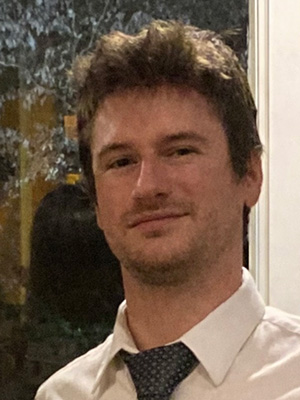
Peter PentaBinghamton UniversityCentral Amygdala Vasopressin Activity in Withdrawal-Related Affect from Chronic Adolescent Binge Episodes |
|
My research investigates how binge alcohol exposure during adolescence alters brain development and behavior, with a focus on sex differences and the vasopressin system in the central amygdala. By examining changes in brain circuits involved in alcohol withdrawal and stress, I aim to better understand why early alcohol exposure increases vulnerability to mental health challenges later in life. These findings could lead to improved prevention strategies and more targeted treatments for adolescents and young adults affected by alcohol misuse, ultimately helping to reduce long-term mental health risks and improve quality of life. |
|
|
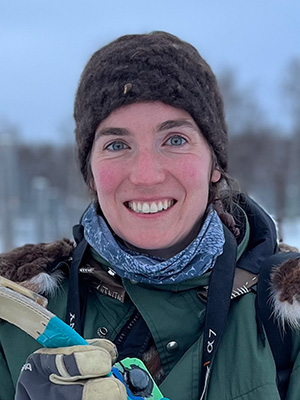
Megan PerraCollege of Environmental Science and ForestryEnvironmental Biology |
|
For the past six years, I have focused on understanding the sensory and behavioral world of barren-ground caribou and how this perspective can inform land-use and cumulative impact assessment. My research examines how acoustic disturbance, climate, and insect harassment shape caribou movement and well-being. I use animal-borne audio recorders and landscape sound monitoring to identify fine-scale behavioral responses that are not captured through GPS data alone. This work has been referenced by environmental contractors and Indigenous organizations in reviews of Wildlife Impact Monitoring Plans in Canada. By deepening our understanding of caribou behavior and their response to disturbances (human and otherwise), I am helping us develop better mitigation strategies and land-use plans to limit our impact on this species. As the global appetite for Arctic resources grows, my research will ultimately facilitate better coexistence between Arctic industries and barren-ground caribou. |
|
|
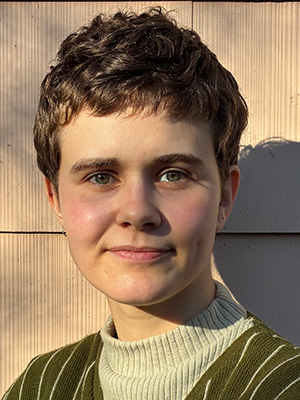
Ana ReifStony Brook UniversityAnthropological Sciences - Social Sciences - Biological Anthropology |
|
I study primate functional morphology, which involves looking at the skeletal anatomy of extant and extinct primates to infer many aspects of their habitual movement. My current research concerns the relationship between knee anatomy and hindlimb loading in the locomotor repertoire of extant primates, including our closest relatives, the great apes. This work will help illuminate the conditions which led to the evolution of bipedalism (walking on two legs), which is unique to humans among living primates. |
|
|
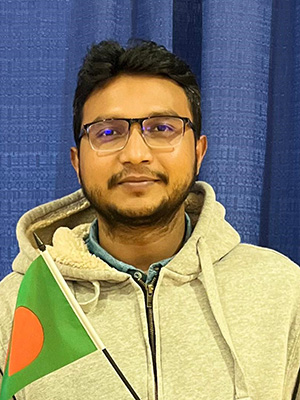
Jobaer Ahmed SajuUniversity at BuffaloHigh-Resolution NOx Emission Estimation From TEMPO Observations: Advancing Air Pollution Monitoring and Public Health Analysis |
|
Accurate air pollution monitoring is critical for protecting public health, and my research advances new ways to measure pollution at local scales. I use high-resolution satellite observations from NASA's TEMPO mission to estimate emissions of nitrogen oxides (NO‚Çì), major air pollutants linked to asthma and other respiratory diseases. By developing new methods that preserve fine spatial resolution, this research enables more accurate identification of pollution sources at the neighborhood level. I then link the estimated NO‚Çì emissions with asthma-related hospitalization and emergency department data across New York State to better understand how air quality affects health outcomes. The methods developed in this study will support improved air quality assessment and can be applied to other regions and future satellite missions, advancing both environmental monitoring and public health research. |
|
|
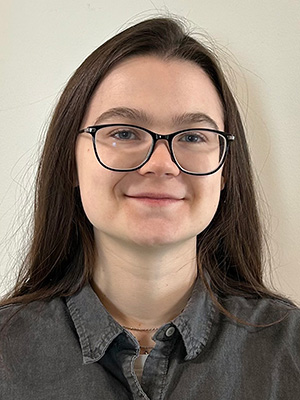
Jordan ScaliaUniversity at BuffaloMaterials Research - Chemistry of Materials |
|
My research focuses on how atoms move within a high entropy environment. By creating strain on our system through doping, we can slow diffusion and study the local and global structure as well as the mechanism of action behind the movement itself. This research will help us understand structure/property relationships to assist in designing more efficient and longer-lasting catalysts for syngas production. |
|

|
Samantha SchwarzUniversity at BuffaloMechanism of Altered Synaptic Signaling by Disease Related GRIN1 Variants |
|
My research aims to characterize disease-related variants of the N-methyl-D-aspartate receptor (NMDAR) from a molecular to synaptic level, in order to increase our understanding of how these ion channels contribute to health and disease in the central nervous system. I am investigating the biophysical properties of the GluN1 Y647C and Y647S mutations, as well as pharmacological rescue strategies with positive allosteric modulators in both cultured cells and ex-vivo brain slices. Patients who carry these variations often suffer from seizures, developmental delays, and movement disorders, so the goal of my research is to help inform and develop individual treatment plans to improve the lives and experiences of patients. Ultimately, I would like for my research to uncover more about the inner workings of the human brain by studying NMDAR activity and the effects of pharmacological agents as possible therapeutic interventions for disease states. |
|

|
Marcis ScrogerBinghamton UniversityLife Sciences - Neurosciences |
|
My research investigates the norepinephrine system as a therapeutic target for Alcohol Use Disorder. To do so, I understand the dysfunction in the brain (structural, molecular, and behavioral) in regions where norepinephrine is synthesized and released (the locus coeruleus), and projects to (primarily the medial prefrontal cortex for my research). Norepinephrine in the medial prefrontal cortex is involved in executive functioning like cognition, attention, and arousal that may be heightened under stressful conditions, and predispose an individual to continue their problematic drug use. By understanding how the system is impaired, we can then pharmacologically deduce how to ameliorate these deficits. The norepinephrine system is sexually dimorphic, implicating that it is biologically different across males and females, highlighting that Alcohol Use Disorder therapies need to be tailored to the individual. Since the norepinephrine system is dysregulated with a plethora of other neuropsychiatric disorders, it is promising that drugs that act on this system may be beneficial in individuals with co-morbid conditions such as Alcohol Use Disorder with an underlying anxiety or depressive disorder. This highlights my passion for holistic healthcare that seeks to benefit all individuals, that I hope to carry through to my long-standing career in neuroscience. |
|
|
Laura SherwoodUniversity at BuffaloHuman Pluripotent Stem Cells and Organoids for Salivary Gland Regeneration |
|
Salivary gland (SG) hypofunction significantly affects the life quality of patients with hyposalivation. Current treatment options for these conditions are limited and often result in undesirable side effects. My research focuses on using a developmentally inspired approach to generate functional salivary gland organoids (mini organs) from human induced pluripotent stem cells (hiPSCs). These mini organs can be used for development of cell therapies and as a platform to screen drugs to restore salivary gland function in patients receiving radiation for head and neck cancer or suffering from autoimmune diseases such Sjögren's syndrome. My study highlights the development of innovative cell- and gene-based therapies for tissue engineering, both in-vitro and in-vivo, aiming to achieve improved quality of life for patients. |
|
|
David SiegStony Brook UniversityMathematics |
|
Much difficulty in studying physical systems involves wrangling their chaotic behavior. A common treatment for such difficulties is finding so-called "invariant" quantities of a chaotic system: small fragments of regularity within disorder. Entropy, the maximal expansion of a dynamical system, is a classical example of this. We study a complementary invariant: minimal expansion rates within topological dynamical systems. While similar to Lyapunov exponents in smooth dynamics, this quantity makes no reference to smooth structure and yet encodes important smooth notions such as core entropy for polynomials in the Mandelbrot set. Understanding these invariants provides a more complete theory of dynamical systems, which allows for more effective treatment and understanding of chaotic systems, physical and otherwise. |
|

|
Jennifer SosaUniversity at Buffalo |
|
My research is aimed at understanding the cell-intrinsic and extrinsic mechanisms that drive tumor heterogeneity. Tumor heterogeneity is a major obstacle to effective treatment responses in cancer patients because cells that behave differently also respond differently to therapy. One major driver of this heterogeneity is cancer stem cells--cells endowed with a level of plasticity that allows them to grow and adapt to their environment. Understanding tumor-intrinsic factors, such as the epigenetic and transcriptional landscape of cancer cells in head and neck squamous cell carcinoma--a heterogeneous malignancy with limited therapeutic options--as well as tumor-extrinsic factors, such as signals derived from the tumor microenvironment, could reveal therapeutic avenues that can be leveraged to target tumor plasticity and enhance drug responses. Ultimately, this work aims to improve our understanding of how tumors resist therapeutic pressures, recur, and metastasize. |
|
|
Hannah TheriaultUniversity at AlbanyLife Sciences - Ecology |
|
My research is focused on studying the ecology of Powassan virus lineage II, also known as Deer Tick Virus (DTV). DTV has a highly focal distribution which has resulted in two geographically separated clades in the United States. My work aims to characterize the genetic and phenotypic consequences of this isolation. My work also aims to identify environmental variables that influence virus distribution and expansion in New York State. My work will inform virus-vector interactions present in Powassan infection in the tick vector and how this impacts virus maintenance. My work will also inform public health strategies used for Powassan surveillance throughout the state. |
|
|
Jason H. TongUniversity at Buffalo |
|
Chimeric Antigen Receptor (CAR) T cell therapy is a revolutionary treatment option for patients with hematologic malignancies. CAR T cell therapy involves genetic modification of autologous T cells to express a CAR, redirecting the cytotoxic response of T cells towards hematologic tumors. While response rates to CAR T cell therapy are strikingly high in patients with hematologic malignancies, most patients experience disease relapse, highlighting the urgent need to improve the durable response of CAR T cells. Published literature indicates that targeting costimulation in CAR T cells is an effective strategy to enhance durable CAR T cell responses. The CAR contains a costimulatory domain (such as CD28) which delivers costimulatory signals, contributing to CAR T cell activation and subsequent effector function. Importantly, as the CAR is integrated into T cells, T cells also express natural endogenous CD28, which provides yet another source of costimulatory signals that contribute to CAR T cell activation. Based on the idea that the dual CD28 costimulatory signals are redundant, my research examines how modulating costimulation, specifically by ablating endogenous CD28 signaling, can improve the long-term efficacy of CAR T cell therapy. This work has the potential to identify a novel role of endogenous CD28 in hindering CAR T cell efficacy, while highlighting a clinically relevant strategy to improve CAR T cell efficacy through pharmacologic inhibition or genetic deletion of endogenous CD28. |
|
|
Bradyn WeaverStony Brook UniversityChemistry - Solid-state/materials chemistry |
|
Discovering new materials for better batteries and cleaner energy often comes down to one hard problem: understanding--and ultimately controlling--how atoms rearrange during a solid-state reaction to form a material that has never existed before. When scientists only compare the 'before' and 'after,' the most important part is missing: the pathway in between. These reactions often pass through short-lived intermediate steps, and a single wrong turn can completely change the final product. After months of trial-and-error trying to perfect synthesis reactions in my undergraduate research, this challenge is exactly what drew me to the Chapman Group at Stony Brook University. I was excited by the idea of catching those hidden in-between moments--like finding the missing pages in a recipe that never quite turns out the same way twice. In our work, we use the bright X-rays produced at Brookhaven's NSLS-II, along with custom reactors our group designs in-house, to watch reactions happen in real time. It's like using a high-speed camera: instead of a single snapshot at the beginning and end, we collect many 'frames' along the way. Put together, they create a movie showing how intermediate phases appear, transform, and disappear as the new material forms. These real-time insights give us a new level of control. By adjusting the starting ingredients--or adding small amounts of additives that steer the chemistry--we can guide reactions toward the desired product and away from unwanted pathways. Ultimately, this work helps make solid-state synthesis more predictable and more efficient, accelerating the development of next-generation energy technologies. |
|
|
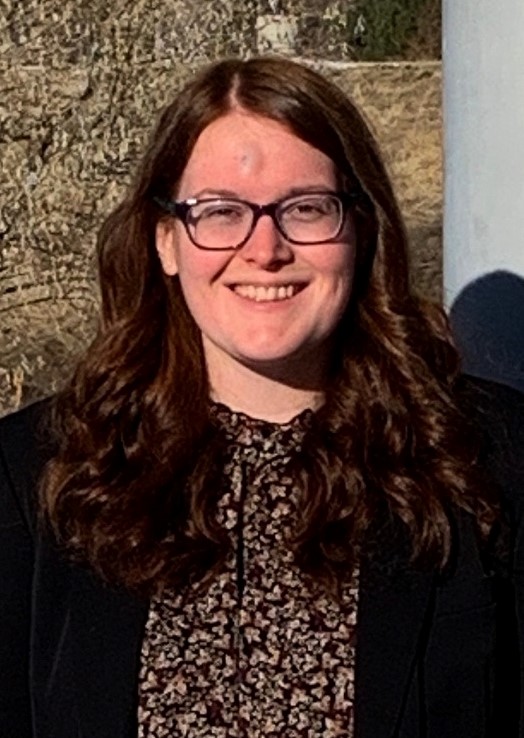
Colista WestStony Brook UniversityNeuroscience |
|
Selective and progressive loss of dopaminergic (DA) neurons in the midbrain leads to the characteristic movement symptoms of Parkinson's disease. However, the reasons for this specific vulnerability of DA neurons remain unclear. My research investigates the regulatory role of the genetic master regulator myocyte-enhancer factor 2A (MEF2A) and how it contributes to the vulnerability, function, and protection of DA neurons. This work is relevant to public health because it provides mechanistic insight into the factors that make DA neurons vulnerable, which is critical for understanding Parkinson's disease and age-related neurodegeneration. Ultimately, this research may help guide the development of improved treatments for these conditions. |
|
|
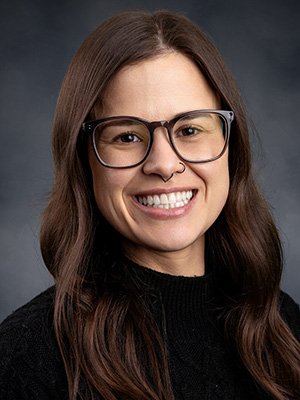
Sarah WinchesterBinghamton UniversityNeuroscience |
|
My research focuses on the impact of prenatal alcohol exposure on anxiety-like and alcohol-related behaviors in adult offspring. I utilize electrophysiology to examine how this exposure modifies specific circuitry involved in negative affect and alcohol-related behaviors to advance our understanding of how prenatal alcohol exposure may alter stress-related systems, leading to an increased risk for anxiety disorders and alcohol misuse in individuals with Fetal Alcohol Spectrum Disorder. |
|
|
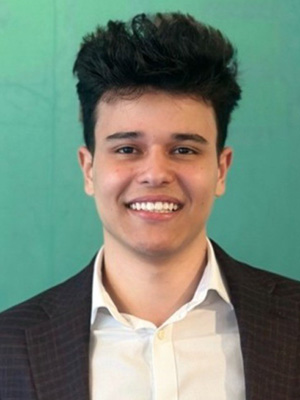
Hosam YousefUniversity at BuffaloEngineering - Aeronautical and Aerospace Engineering |
|
My research revolves around developing architected materials with unique dynamic properties, tailored to interact intelligently with an adjacent fluid surface to achieve favorable flow control characteristics. By incorporating these materials within aerospace structures (e.g., aircraft wings), we aim to mitigate the chaotic nature of aerodynamic flows. The outcome is a stabilized flow regime which reduces friction and drag losses, significantly reducing fuel consumption and leading to more efficient flight. |
|