

The 2024 SUNY Graduate Research Empowering and Accelerating Talent (GREAT) award has been awarded to 27 students. Each student is provided $5,000 from the SUNY Office of Research and Economic Development. All recipients of the SUNY GREAT Award have been honored by the National Science Foundation, the National Institutes of Health, the U.S. Department of Energy, and the U.S. Department of Defense.
|
Sarah BarkleyStony Brook UniversityPsychology - Social Psychology |
|
Social and emotional processes shape our thoughts, feelings, and behaviors, and they are inherent to how we interact with and understand the world. Barkley's research utilizes neuroscience methods to explore neural systems underlying the dysregulation of these processes in individuals with psychopathology. She hopes to use this research to identify neurobiological markers that help us predict, characterize, and treat psychiatric and neurodevelopmental disorders. |
|

|
Nicholas BrennanUpstate Medical UniversityMechanism of mitochondria-induced proteostatic signaling and progressive muscle atrophy during aging |
|
Although the relationship between mitochondrial dysfunction and muscle atrophy has been well-established, previous studies have mainly been focused on defects in oxidative phosphorylation (OXPHOS) as the cause of muscle atrophy. My research uses a unique mouse model of mitochondrial dysfunction to investigate an OXPHOS-independent mechanism of muscle loss. My work may help in developing new therapies for treating muscle wasting in mitochondrial disease and potentially in aging. |
|

|
Christian L. BrightCollege of Environmental Science and ForestryGeosciences - Biogeochemistry |
|
Disconnected from their native rivers or lakes, restored wetlands are often managed to mimic their natural seasonal variation in hydrology. For wetland biologists, this typically means raising or lowering water levels within wetland impoundments to introduce disturbance that reinvigorates plant communities, providing a diversity of food and habitat for waterfowl, marsh birds, and other wetland wildlife. My aim is to evaluate how these fluctuating water levels may be influencing the carbon ecosystem services provided by wetlands. Using a combination of infrared gas sensing analyzers that both measures continuously from an eddy covariance tower and intermittently in a portable chamber, I plan to evaluate the heterogeneity of the wetland's carbon gas emissions during several hydrologic and botanical stages of the emergent marsh cycle. Additionally, to determine the potential effects on wetland soil carbon sequestration, I will take several soil core samples across the study period, looking for any changes to carbon accretion over time. Through this research, I hope to discover how changing wetland plant communities and fluctuating hydrology through management may affect carbon budgets and whether we can optimize these conditions to promote greater levels of carbon sequestration over time. |
|

|
Kaelyn BurnsUniversity at BuffaloApplication of a novel dietary pattern predictive of trimethylamine N-oxide production to examine associations with metabolomic profiles, the gut microbiome, and vascular health |
|
Trimethylamine N-oxide (TMAO) is an atherosclerotic metabolite that can be produced in part from the intake of choline and its metabolism by the gut microbiome. However, the metabolic processes of TMAO production from dietary intake and the mechanisms by which TMAO induces atherosclerosis in humans remain unclear. My research aims to clarify the interplay between dietary intake, metabolism, the gut microbiome, and vascular health. Within the context of a larger body of research, this work has potential to inform interventions targeting the diet and gut microbiome to improve vascular health. |
|

|
Adam DeHollanderUniversity at BuffaloEngineering - Industrial Engineering and Operations Research |
|
Hospital emergency departments commonly experience crowding leading to long wait times and decreased quality of care. My research uses AI techniques to measure crowding and then suggest decisions to improve efficiency. The goal of my research is to make better patient prioritization decisions to decrease ER crowding without requiring additional financial resources. |
|
|
Dylan EhrbarUniversity at AlbanyLife Sciences - Cell Biology |
|
I am very interested in the aging process, and my research examines how molecular signals, in the form of RNA modifications, change as cells and organisms grow older. There are over 50 different types of RNA modifications, and we are still figuring out all they do in the cell. I would also like to see if altering patterns of RNA modifications can prevent or reverse the aging process. My work could reveal new ways to improve human health and to grow older with a better quality of life. |
|
|
Nathan F. GillespieUniversity at AlbanyCognitive, Neural, and Behavioral Sciences |
|
I use computational models to study how people perceive sound. The purpose of my work is to shed light on the cognitive processes that enable us to comprehend complex auditory information in domains like speech and music. My research integrates theories of attention and memory‚ contributing to applications like improving natural language processing in artificial intelligence technologies, predicting cognitive failures in military training, and enhancing diagnostic inferences for memory disorders in clinical settings. |
|

|
L. Beryl GutermanUniversity at BuffaloHarnessing polymicrobial interactions in the catheterized urinary tract to identify novel inhibitors of Proteus mirabilis urease activity |
|
My research focuses on identifying microbially derived metabolites that prevent the production of infection induced urinary stones. This work has the potential to identify new therapeutic approaches to inhibit urinary stone formation, especially among patients with long term catheters. It also has the potential to create a framework to harness polymicrobial interactions to develop new clinical interventions. |
|

|
Xiao HanStony Brook UniversityImmune Regulation of Dormancy at the Metastatic Site |
|
Metastasis, developed from disseminated cancer cells from primary cancer, is the main cause of most cancer related deaths. While non-proliferating disseminated cancer cells in distant tissues have been observed in many types of cancer, mechanisms of how metastases originate from these dormant cancer cells are unclear. My research project is to interrogate how dormant cancer cells initiate proliferation and how immune cells regulate these disseminated cancer cells in development to metastases upon stimuli, such as glucocorticoids treatment. Understanding the mechanisms of metastases development will guide development of new cancer therapies to improve disease-free survival. |
|

|
Eunice KimStony Brook UniversityElucidating the Roles of the Membrane-Binding Proteins ciBAR1 and ciBAR2 in Ciliogenesis |
|
Airway motile cilia play an important role in mucociliary clearance, the primary innate defense mechanism of the lung, by propelling inhaled pathogens trapped in mucus up and out of the respiratory tract. Impaired ciliary function is commonly found in patients with chronic pulmonary diseases, and genetic mutations that result in aberrant cilia formation and loss of function often lead to the development of genetically heterogenous, multisystem disorders called ciliopathies. While the current body of literature suggests that the unique composition and morphology of the ciliary membrane the envelops the cilium are involved in maintaining ciliary function and homeostasis, the molecular players and mechanisms that underlie the formation and maintenance of the ciliary membrane remain poorly understood. Through my research, I hope to provide new insights into what drives ciliary membrane shaping and maintenance by investigating the roles of two membrane-binding proteins in ciliogenesis and airway ciliated cell differentiation. |
|

|
Connor LawheadStony Brook UniversityPsychology |
|
I am interested transdiagnostic psychopathology, such as irritability and anhedonia, and how these clinical constructs emerge and change over the course of adolescent development. I am also interested in the underlying cognitive and biological mechanisms associated with these transdiagnostic constructs, and using ecological momentary assessment to better understand its behavioral expression and lability on a shorter timescale. This research will aid in our understanding of youth and adolescent personality and psychopathology in the hopes of mitigating the presence and impact of maladaptive behaviors associated with these constructs. |
|

|
Alex LemusUniversity at AlbanyMultispecies aggregates from human dental plaque nucleate highly diverse spatially structured oral biofilms on saliva coated surfaces |
|
My research focuses on understanding the role of multispecies aggregates in the development of oral biofilms and their impact on oral health. By studying shifts in biofilm composition and spatial structure, we aim to uncover how these changes contribute to the progression from healthy oral conditions to widespread diseases such as dental caries and periodontitis. |
|

|
Steven M. LewisStony Brook UniversityInvestigating the relationship between the systemic response to infection and tumor initiation and progression in Brca1 breast cancer |
|
My research seeks to address a gap in understanding for the reason that many, but not all women inheriting loss of function BRCA1 mutations ultimately develop breast cancer. We are investigating the potential relationship between bacterial infection and the inflammation that ensues as a driver of tumor growth in the context of inherited BRCA1 mutations using our lab's novel mouse models. This work may lead to a new appreciation of the link between infection and breast cancer for BRCA1 carrier women and potentially inform greater surveillance of infection in this population. |
|
|
Marie Francoise MillaresStony Brook UniversityMaterials Research - Chemistry of Materials |
|
My research involves investigating novel materials and battery design to advance energy storage technologies. By exploring these avenues, I am to enhance the efficiency, durability, and sustainability of battery development. Through my work, I contribute to revolutionizing the energy landscape, enabling wider adoption of renewable energy sources, reducing reliance on fossil fuels, and ultimately contributing to a more environmentally friendly world. The anticipated impacts of my research involve significant advancements in battery technologies for electric vehicles and paving a way for a cleaner, more accessible energy grid infrastructure globally. |
|
|
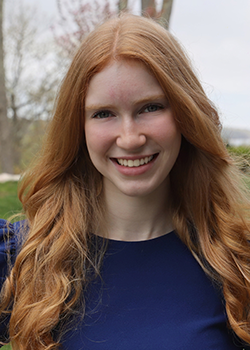
Ava NederlanderStony Brook UniversityEngineering - Computer Engineering |
|
My research focuses on artificial intelligence and its intersection with other sciences to promote scientific discovery. My prior research experiences are interdisciplinary and focused on the applications of scientific computation to astronomy, biology, and chemistry. My background and broad range of scientific interests enables me to understand a wide range of scientific topics, the connections between key problems in these fields, and the computational methods that could be used to study them. |
|
|
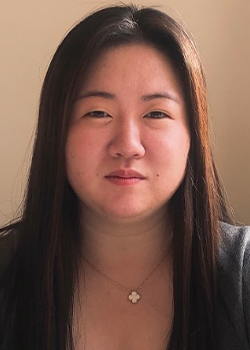
Jennifer Jiyoun ParkStony Brook UniversityPathways of oncogene-induced senescence at DNA replication forks |
|
My research focuses on how deprotection of stalled forks potentiates oncogene-induced senescence (OIS) and how pre-malignant cells under replication stress overcome OIS and establish oncogenic transformation. My study aims to lay the foundation for targeting TIMELESS (TIM) gain-of-function as a way to sensitize cancer cells to oncogene-induced DNA replication stress. Understanding the nature of TIM in OIS can pave new ways to inhibit TIM, resensitize cancer cells, and ultimately prevent tumorigenesis. |
|
|
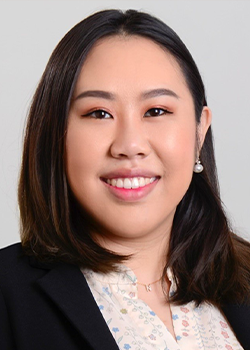
Achamaporn PunnantinontUniversity at BuffaloRole of TLR7-mediated B cell activation in primary Sjogren’s syndrome |
|
My thesis research is in deciphering the role of TLR7 activation of B cells in pathogenesis of primary Sjogren’s Disease (pSD). pSD is an autoimmune disease where patient's own cells attack their organs. Our lab is interested in understanding chronic inflammation in the context of pSD and the goal of our lab is to identify novel therapeutics to help patients. |
|

|
Melissa RasmussenStony Brook UniversityPhysics and Astronomy |
|
I simulate Type Ia supernovae, investigating the variables that influence how stars explode. These efforts expand our understanding of the universe and increase the accuracy of cosmological predictions. |
|

|
Tyler RollandUniversity at BuffaloLife Sciences - Physiology |
|
Sudden cardiac arrest (SCA) affects hundreds of thousands of adults annually in the US and is associated with high morbidity and mortality rates, even in patients that are initially resuscitated. Recent research suggests that the release of mitochondrial DNA (mtDNA) following brief ischemia, even in the absence of necrotic cell death, may play a role in initiating the robust inflammatory response that contributes to poor outcomes in this population. The findings from this comprehensive investigation are expected to enhance our understanding of the role of mtDNA-mediated inflammation in PCAS and identify a novel therapeutic approach to improve outcomes after SCA by mitigating post-resuscitation immune activation. |
|

|
Leah Davis RubinCollege of Environmental Science and ForestryLife Sciences - Environmental Biology |
|
The objective of my research is to use data in the form of zooarchaeological remains, historical landings data, and oral history, to illuminate important trends in Maine fisheries and to develop a more temporally extensive, and holistic understanding of human ecological dynamics in Maine's coastal communities. Furthermore, I am interested in studying the impacts of tourism and global seafood markets on the practice of subsistence fishing and the role of subsistence fishing to food sovereignty and security in coastal Maine. Historical data on baseline populations and shifting community perspectives on target species are important data in fisheries management and conservation, especially in light of modern fisheries declines, climate change, and coastal gentrification. My research will support ongoing efforts in Maine to support local food security, effective fisheries management, and local working waterfront access. |
|

|
Shaunna SimmonsUniversity at BuffaloThe role of A1 adenosine receptor signaling in the decline of S. pneumoniae killing by neutrophils in vaccinated aged hosts |
|
My research focuses on understanding the age-related changes in neutrophil responses following Streptococcus pneumoniae infection and the signaling pathways that regulate these responses. Available pneumococcal vaccines have reduced efficacy in those over the age of 65, and despite vaccination, S. pneumoniae remain the leading cause of community-acquired bacterial pneumonia in older adults. This decline in vaccine efficacy is driven by immunosenescence, the age-associated decline in immune function. Neutrophils are innate immune cells that are required for host defense against S. pneumoniae infection, however, neutrophils isolated from aged hosts display a significant reduction in pneumococcal killing when compared to neutrophils isolated from young hosts. The signaling pathways driving this decline in neutrophil function and the role of neutrophils in the age-related reduction in vaccine efficacy remain unclear. My research aims to identify the role of the extracellular adenosine pathway, a known regulator of neutrophil antibacterial responses, on the age-related decline in pneumococcal killing by neutrophils and how this contributes to the overall decline in vaccine efficacy with age. Since aging is a significant contributing factor to the susceptibility of the host to different bacterial infections, this work is important in identifying and understanding the host pathways which are dysregulated with age and may identify a potential therapeutic target to boost overall vaccine protectiveness in aged hosts and promote healthy aging. |
|
|
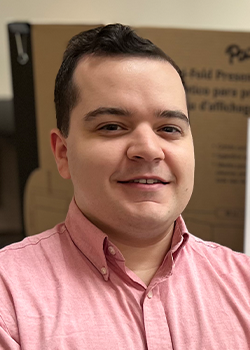
James St. JohnStony Brook UniversityEngineering - Materials Engineering |
|
Cleaning the panels of a typical 100 MW(DC) solar power plant requires an estimated 1.5 million gallons of potable water every year. I am currently researching the Electrodynamic Dust Shield (EDS) technology for applications on self-cleaning solar panels to reduce this high cost of water for cleaning solar power plants. EDS utilizes conductive oxide thin-films and my research group aims to overcome the bottlenecks related to thin-film deposition and patterning to develop industry scalable methods for manufacturing EDS technology with utility scale solar power plants. |
|
|
Janelle Baetiong TalaveraBinghamton UniversityLife Sciences - Evolutionary Biology |
|
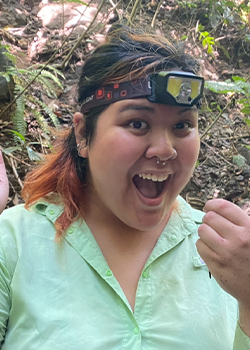
I am researching the ecological and evolutionary processes that lead to speciation in a water anole species (Anolis aquaticus) in Southern Costa Rica. My research provides the opportunity to study evolution in real time. |
|

|
Courtney TelloStony Brook UniversityInterpreting Bone Morphogenetic Protein Gradients in Vertebrate Development |
|
My research seeks to understand how progenitor cells interpret develpmental signals in order to become specific cell fates. I am using zebrafish embryos to study the Bone Morphogenetic Protein pathway to get a better understanding of how these signals lead to specific cell types such as skeletal muscle, vasculature, and blood cells. Findings from my research will lead to advances in our understanding of vertebrate animal development which can lead to breakthroughs of regeneration therapies. |
|
|
Theresa WrynnUniversity at BuffaloGenetic and molecular mechanisms of Xbp-1 mediated salivary gland development and differentiation |
|
My main research area focuses on the genomic and transcriptomic underpinnings of salivary gland development and homeostasis where I identify important transcription factors and key gene regulatory mechanisms that promote salivary gland development and differentiation by utilizing salivary gland specific cell lines, mouse models, and transcriptomic/genomic dataset. This will in turn aid in creating long-term therapeutics for patients who suffer from irreversible salivary gland dysfunction. |
|
|
Lucia YangStony Brook UniversityInducing H3F3A exon skipping with antisense oligonucleotides as an approach to treat diffuse intrinsic pontine glioma |
|
Pediatric diffuse midline gliomas (DMGs) are especially deadly and current treatment options are not curative. My research uses antisense oligonucleotides (ASOs) to target a histone coding gene that has been implicated as both tumor-initiating and tumor-maintaining for DMGs. With the use of both cell culture and mouse models, I have shown that our ASOs reduce tumor growth and prolong survival in treated samples. The goal of this work is to improve current therapies for pediatric gliomas and advance the use of ASOs for treatment of oncologic and central nervous system diseases. |
|
|
Victoria Zoccoli-RodriguezUpstate Medical UniversityDefining the role of T-bet in systemic IgA |
|
Our group is interested in understanding factors that contribute to plasma cell longevity. We have demonstrated that a proteobacteria-rich microbiome induces a protective systemic IgA response, but the underlying mechanisms that dictate the dissemination of IgA plasma cells to systemic tissues are relatively unknown. My project focuses on identifying a role for B cell intrinsic T-bet expression in regulating systemic IgA. Ultimately, understanding these mechanisms provides targeted approaches to regulate plasma cell responses and will advance strategies in vaccine design and development. |
|